What if the greatest obstacle to learning to swim at any age is simply taking that first courageous step? This inspiring journey reveals how transforming water-related fears into confidence is accessible for everyone, regardless of age or experience. From hesitant adults splashing nervously to children discovering joy in the water, the narrative emphasizes patience, gradual progress, and the power of small victories. It explores foundational strategies—starting in shallow, safe environments, practicing relaxed breathing, and celebrating every milestone—that build trust and comfort. With the support of supportive instructors, modern amenities, and community groups, overcoming lifelong anxieties becomes not just possible but empowering. As technology and innovative programs continue to evolve, the future of water confidence promises greater accessibility and support, encouraging adults to see water as a space of freedom rather than fear. Are you ready to take that first step toward a lifetime of confidence and joy in the water?
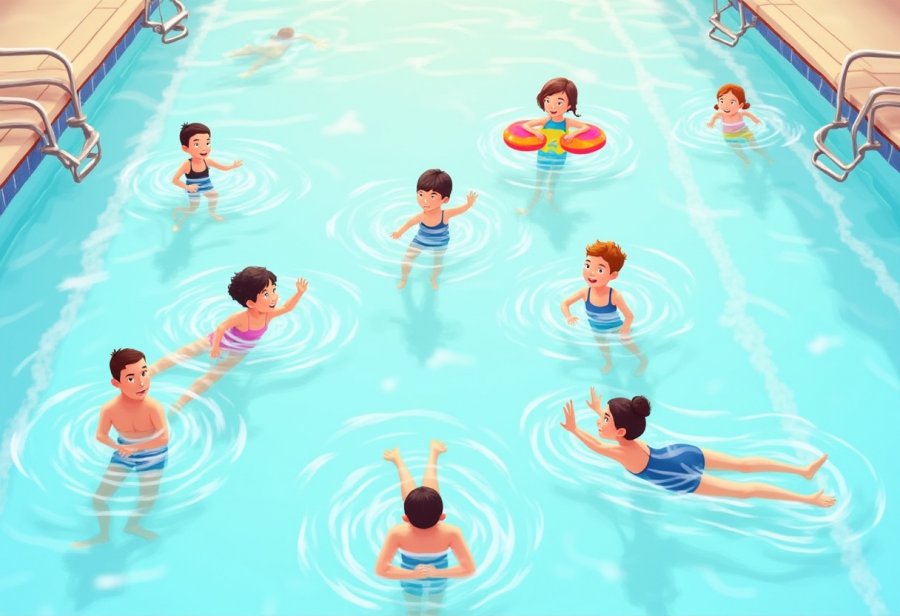
Transform Fear Into Freedom: Your Journey to Lifelong Water Confidence
Learning to swim at any age might seem like a tall order, especially if water has ever made you uncomfortable. But the truth is, transforming that fear into confidence is entirely within reach—and incredibly rewarding. It’s not about becoming a competitive swimmer or mastering every stroke overnight; it’s about building a trusting relationship with water that opens doors to safety, fun, and freedom. The first step is acknowledging that feeling nervous or hesitant is normal. Everyone, no matter their age, can learn to swim with patience, proper guidance, and a positive attitude.
Many adults hesitate because they believe it’s too late or that they’re simply not “meant” to swim. These are myths. Water confidence isn’t reserved for children or athletes—it’s a skill anyone can develop. Approaching water with curiosity instead of fear shifts your perspective, turning water from a source of anxiety into a space of possibility. Small victories—like splashing around or just sitting near the water—are the building blocks of trust. Each one helps you see water as a safe place rather than a threat.
The journey to lifelong water confidence often begins with mental barriers rooted in childhood memories of near-drowning or feeling out of control. Recognizing that these fears are common and normal is a crucial step. Starting in shallow, familiar environments and practicing breathing or floating can help reshape your relationship with water. Every small success, whether it’s just getting your face wet or floating on your back, reinforces that water can be safe and enjoyable.
Building trust in water requires patience and gradual exposure. Learning fundamental skills like floating or steady breathing creates a sense of control and reduces panic. Supportive environments—such as pools with shallow zones, safety features, and instructors experienced in adult learning—make a significant difference. These settings foster calmness and confidence, allowing you to take those initial steps without feeling overwhelmed. Progress may be slow, but each small effort adds up, transforming your perception of water from danger to a place of comfort.
The key is to focus on small, manageable steps. Sitting at the water’s edge, practicing deep breathing, or floating supportively are effective ways to begin. Celebrate each success, no matter how minor, because these moments build momentum. Remember, setbacks are part of the process—what matters most is consistency and a willingness to keep trying. Over time, these experiences help turn water from something intimidating into a space of control and security, laying the foundation for lifelong confidence.
Establish Trust and Comfort in Water as Your Foundation
Building trust and comfort in the water is the essential first step toward developing confidence at any age. Without feeling safe, progress can stall, and the experience can become more intimidating than inspiring. Starting with small, gentle activities—like splashing, sitting near the water’s edge, or holding onto the pool wall—helps ease anxiety and build positive associations. These simple actions teach your body that water isn’t something to fear but a space where you can feel in control. Patience is crucial; trust doesn’t develop overnight. It’s about creating a calm, familiar environment where each small success reinforces that water can be safe and welcoming.
Many fears about water stem from childhood experiences—feeling out of control or nearly drowning. These memories can linger and make the idea of swimming seem daunting years later. Recognizing that such fears are normal helps normalize your feelings and encourages a gradual approach. Starting in shallow, controlled environments and practicing breathing exercises or floating techniques can help reshape your relationship with water. Every minor achievement, like blowing bubbles or floating on your back, strengthens your sense of safety, gradually replacing fear with curiosity.
Fundamental skills are the backbone of confidence. Learning to float on your back or stomach reduces sinking fears and fosters a sense of mastery. Steady, relaxed breathing—inhale and exhale slowly—calms the nervous system and prevents panic. These basics aren’t just technical; they’re about feeling at ease in the water. Focusing on slow, deliberate movements rather than rushing to master everything creates a more positive learning experience. As these skills become second nature, confidence naturally grows, making the water feel less like a threat and more like a safe space.
Creating a supportive environment is just as important as acquiring skills. Pools that are clean, well-maintained, and equipped with safety features help ease your mind. Supportive instructors who understand adult learners’ needs and fears make a significant difference. Their patience and encouragement foster a relaxed atmosphere where you can focus on building trust without feeling judged. Such settings allow you to take those crucial first steps with confidence, knowing you’re in safe hands. When you feel supported, it becomes easier to open up to the water and let go of lingering fears.
Gradual exposure is your most effective strategy. Begin by sitting or standing in shallow water, concentrating on breathing and staying relaxed. Use floatation aids if needed, and celebrate each small victory—like floating a little longer or exhaling steadily underwater. These moments of success reinforce your sense of control and safety, making each step forward more natural. Remember, setbacks are part of the process; patience and persistence are key. Over time, these gentle, consistent efforts help transform water from a source of fear into a place of comfort and confidence.
Take Practical Steps to Begin Your Swimming Adventure
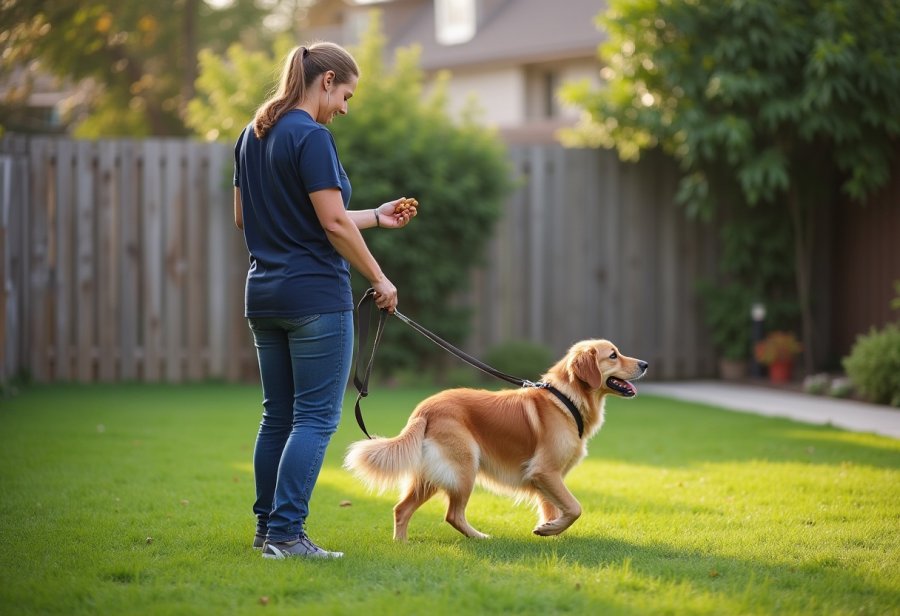
Starting your swimming journey can feel overwhelming at first, but breaking it into simple, manageable steps makes a big difference. Begin by choosing a beginner-friendly pool with shallow areas, safety features, and a welcoming atmosphere. A calm environment helps ease nerves and sets a positive tone for your first experiences in the water. Once you’ve found the right spot, consider enrolling in an adult swimming class or working with an instructor experienced in teaching beginners. Their patience and guidance can help you set realistic goals and stay motivated without feeling pressured.
Next, focus on activities that help you become comfortable with water without any hurry. Sitting at the pool’s edge, splashing gently, or simply standing in shallow water can build familiarity and reduce anxiety. Practice slow, deep breathing—inhale through your nose or mouth, then exhale steadily into the water. This simple routine relaxes your body and calms your mind, making it easier to face water with confidence. Using floatation aids or holding onto the wall provides extra support as you start to move.
Floating is a key skill that boosts confidence quickly. Support yourself with a floatation device, lying back or stomach down in shallow water. Concentrate on staying relaxed and breathing evenly. Each successful float reinforces your sense of control and diminishes the fear of sinking. As you grow more comfortable, try exhaling steadily underwater and gently moving your legs. These basic techniques lay the groundwork for more advanced skills and help you feel secure in the water.
Consistency is essential, but it doesn’t mean long sessions every day. Short, regular practice—about 10 to 15 minutes a few times a week—builds momentum without feeling overwhelming. Focus on enjoying each step rather than rushing toward perfection. Celebrate small victories like floating a little longer or blowing bubbles without panic. These moments of success boost your confidence and make the process more enjoyable.
Patience and persistence are your best allies. Progress might be slow at times, but every effort counts. If you encounter setbacks, revisit the basics, take a deep breath, and remember that each attempt is part of the journey. Small, consistent steps create a solid foundation for future skills and deepen your trust in the water. Keep a positive outlook, and recognize that every time you show up, you’re making progress.
As you continue practicing, you’ll notice your comfort level steadily increasing. Water begins to feel less intimidating and more like a safe, enjoyable space. This gradual growth encourages you to take on new challenges at your own pace, reinforcing your confidence step by step. The key is to stay curious, gentle with yourself, and consistent in your efforts.
With time, these small, deliberate steps will transform your experience. Learning to swim isn’t just about physical skills—it’s about building a mindset of trust and resilience. Every splash, breath, and float brings you closer to a lifelong relationship with water that’s safe, joyful, and empowering. Your journey starts now, one simple step at a time.
Celebrate Your Milestones and Embrace Continuous Growth
Celebrating your successes along the way is a vital part of maintaining motivation on your water confidence journey. Every milestone, no matter how small—whether it’s floating comfortably or swimming a few strokes without panic—deserves recognition. Taking a moment to acknowledge these wins reinforces positive feelings and reminds you that progress is real and within reach. When you celebrate each small victory, you build confidence and encourage yourself to keep pushing forward, even when challenges come up.
Setting clear, achievable goals for each practice session makes progress feel tangible. Maybe today’s focus is to float a little longer or exhale steadily underwater. Achieving these small aims creates a sense of accomplishment that fuels your motivation. Keeping a simple journal or mental checklist of successes helps you see how far you’ve come, making it easier to stay inspired and committed. Over time, these small wins accumulate, proving that your efforts are making a difference.
Growth isn’t always a straight line. Some days will be slower, or anxiety might spike unexpectedly. That’s normal. Rather than viewing setbacks as failures, see them as part of the process. Recognizing the courage it takes to keep practicing, despite difficulties, builds resilience. Celebrating persistence keeps you motivated and reminds you that every attempt, no matter the outcome, is a step forward. Sometimes, just showing up and practicing a little is enough to keep your momentum alive.
Support from friends, instructors, or fellow learners can make a big difference. Sharing your successes, no matter how minor, creates a positive feedback loop. Their praise and encouragement boost your confidence and normalize the learning process. Knowing others are on a similar journey can inspire you to push your boundaries and stay committed. Celebrating together makes progress feel even more rewarding, transforming the challenge into a shared achievement.
Focusing on the joy of the process turns learning into a source of fun rather than a chore. Splashing around, floating, or simply relaxing in the water should feel like play. When your practice becomes enjoyable, motivation flows naturally. Regularly reflecting on your milestones and celebrating progress keeps your water confidence journey lively and rewarding. These moments of joy reinforce that water is a safe, welcoming space where you can grow and thrive.
Remember, the journey is personal and unique. Some days will bring big breakthroughs, others will require patience. Whatever your pace, honoring your efforts keeps you connected to your goals. Celebrating successes—big or small—strengthens your mindset and helps you see water confidence as an achievable, ongoing pursuit. Each step forward, no matter how minor, is proof of your resilience and commitment.
As you continue to recognize and celebrate your progress, you’ll find your confidence deepening naturally. The more you acknowledge your achievements, the more motivated you’ll feel to explore new skills and challenges. This ongoing celebration creates a positive cycle—each victory, no matter how small, fuels your desire to grow. Over time, water confidence becomes a lifelong gift, built one milestone at a time through persistent effort and genuine pride in what you’ve accomplished.
Envision a Bright Future of Water Confidence and Lifelong Growth
Looking ahead, the future of adult water confidence is brighter than ever, driven by innovative approaches and expanding resources that make learning more accessible. Technology plays a key role, with online tutorials, virtual coaching, and mobile apps offering flexible ways for adults to practice and build trust at their own pace. These tools create safe, controlled environments where learners can develop skills before stepping into the water, reducing anxiety and making the journey feel less intimidating.
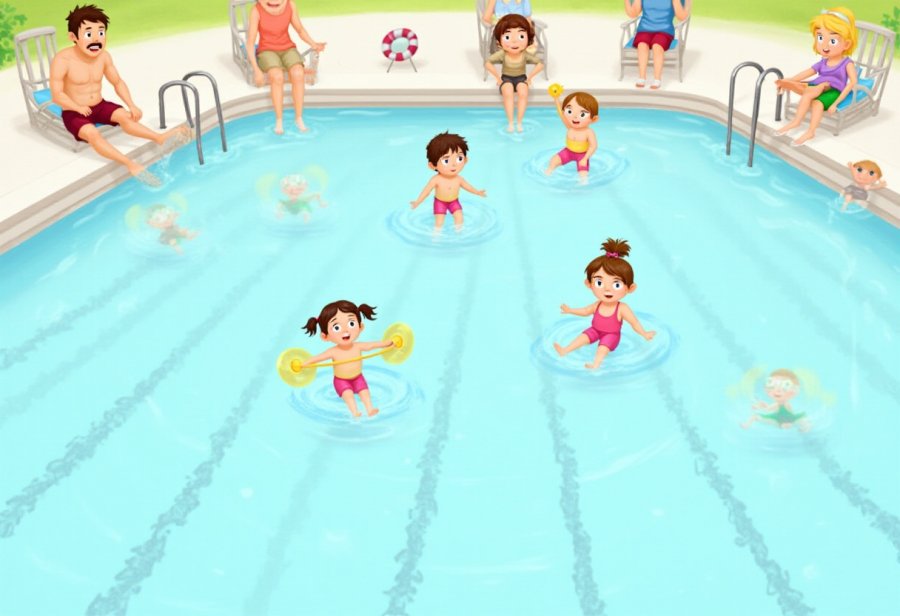
At the same time, improvements in pool design and safety features are making swimming environments more welcoming for beginners. Shallow zones, gentle slopes, and safety equipment are intentionally crafted to support gradual learning, helping adults feel more comfortable from the start. Many facilities now recognize the importance of tailored programs for adult learners, understanding that progress later in life requires patience, empathy, and personalized guidance.
Community support continues to grow, with more adult swim groups, meetups, and peer-led classes emerging worldwide. These gatherings foster camaraderie and normalize the learning process, showing that overcoming water fears isn’t a solo effort. Connecting with others who share similar goals strengthens motivation and creates a sense of belonging, making water confidence feel achievable at any age.
Stories of adults conquering their fears inspire others to take that first step. Sharing journeys—through social media, blogs, or local networks—spreads the message that transformation is possible regardless of where you start. These narratives serve as proof that confidence can be built at any stage of life, encouraging more people to see water as a safe, enjoyable space rather than a source of fear.
Training programs are also evolving to better support adult learners. Incorporating mindfulness and stress reduction techniques helps manage anxiety, while instructors are gaining specialized training to address common fears with empathy and patience. Personalized approaches that respect individual pace and comfort levels make the learning process more effective and encouraging, turning water confidence from a distant goal into a tangible reality.
Looking ahead, the movement toward lifelong learning and personal growth in water confidence will continue to expand. With ongoing innovations, supportive communities, and inspiring success stories, adults everywhere will discover new potentials within themselves. Overcoming fears and gaining confidence in water isn’t just a goal—it’s a journey that leads to lifelong freedom, resilience, and joy in the water.