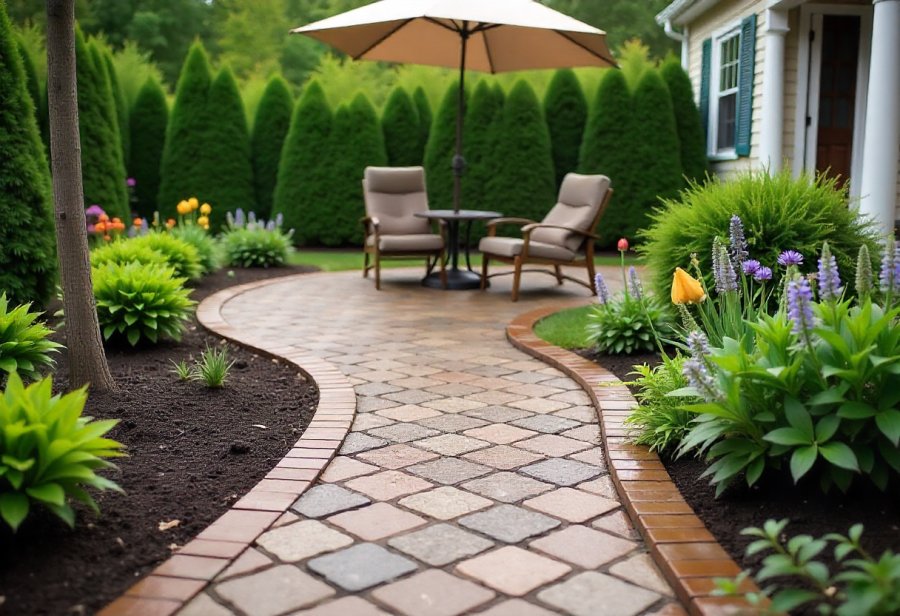
A custom deck transforms outdoor spaces from simple platforms into personalized retreats, blending aesthetics with functionality. But does striving for perfect design sometimes overshadow practicality? From selecting durable materials like composite or exotic hardwoods to incorporating innovative features such as built-in seating or integrated lighting, this guide explores how thoughtful planning and craftsmanship can elevate your backyard. Historically rooted in cultural values of community and beauty, modern decks now embrace sleek, minimalist trends combined with smart technology—solar lighting, wireless sound, and weatherproof features—shaping a future where outdoor living seamlessly integrates with daily life. Yet, amidst these advancements, questions about sustainability and maintenance arise. How do we balance aesthetic appeal with environmental responsibility and durability? As outdoor spaces evolve into sophisticated extensions of our homes, this journey invites you to consider whether the pursuit of perfection enhances your outdoor living or risks complicating it—ultimately challenging what makes a truly timeless retreat.
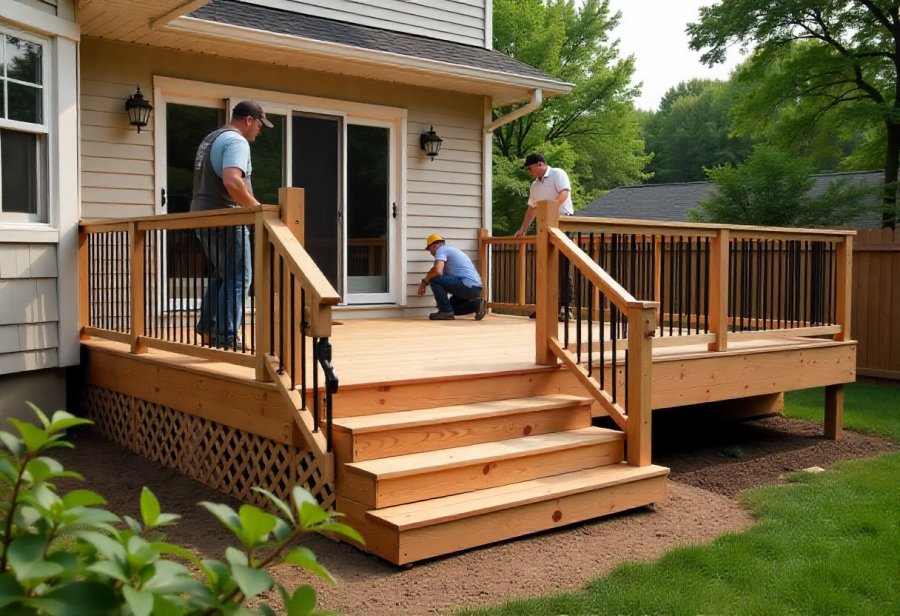
Transform Your Outdoors with a Custom Deck: Your Personal Retreat Awaits
A custom deck isn’t just an outdoor platform; it’s a blank canvas that can transform your backyard into a personal retreat. Unlike standard designs, a tailored deck is built specifically for your space, style, and lifestyle, offering a level of flexibility that makes it truly unique. Whether you envision a sleek, modern escape or a cozy, rustic hideaway, a custom deck can bring that vision to life.
Designing a deck that fits perfectly involves more than just measuring the area. It’s about understanding how you want to use the space—do you need an outdoor dining area, a lounge for relaxing, or a quiet spot for morning coffee? Thoughtful planning ensures your deck isn’t just beautiful but also functional, seamlessly integrating with your landscape and home architecture.
Materials are a key part of the appeal. Natural options like cedar or pressure-treated wood lend warmth and character, though they require upkeep. Modern composites and exotic hardwoods offer durability and a luxurious look, often with less maintenance. The choice of materials influences not only the deck’s aesthetic but also its lifespan, safety, and ease of care.
What sets custom decks apart is the ability to incorporate special features—built-in seating, planters, lighting, or even fire pits—that enhance usability and style. Every detail, from the shape and size to the railings and finishes, can be fine-tuned to reflect your personal taste. This customization helps your outdoor space complement your home’s architecture and landscape, creating a harmonious environment.
A well-designed custom deck becomes more than just an extension of your home—it transforms how you live outside. It provides a dedicated space for summer barbecues, family gatherings, or peaceful mornings alone. When carefully crafted, it becomes an inviting outdoor sanctuary that adds value and comfort to your lifestyle.
The beauty of a custom deck lies in its versatility, but practical considerations matter too. Striking the right balance between aesthetic appeal and durability ensures your deck remains a source of pride for years to come. While intricate designs and exotic materials are tempting, they should be weighed against maintenance needs and budget.
In the end, a custom deck is about creating a space that reflects your personality and enhances your daily life. It’s an opportunity to craft an outdoor retreat that feels like a natural extension of your home—an inspiring backdrop for making memories and enjoying leisure time. When designed with care, it’s more than just an outdoor platform; it’s a personal paradise waiting to be explored.
From Ancient Courtyards to Modern Backyards: The Rich History of Outdoor Living Spaces
Outdoor living spaces have been a vital part of human life for centuries, serving more than just functional needs—they mirror cultural values, social structures, and aesthetic ideals. In ancient Greece and Rome, open courtyards and terraces acted as communal hubs where families gathered, shared meals, and built social bonds. These spaces often blurred the line between indoors and outdoors, emphasizing harmony with nature and fostering a sense of community. Their design focused on creating inviting environments that balanced beauty with practicality.
During the Renaissance, outdoor spaces gained new prominence as symbols of wealth and cultural identity. Elaborate gardens and outdoor salons became places of beauty, reflection, and social gathering. These gardens showcased artistic landscaping, water features, and intricate pathways, transforming outdoor areas into extensions of indoor luxury. Such spaces were carefully curated to reflect personal taste and social status, elevating outdoor design to an art form.
In the centuries that followed, especially with the rise of suburban living in the 20th century, backyard decks and patios grew in popularity. Initially simple and utilitarian, these spaces were mainly meant for functionality—barbecues, seating, and casual gatherings. Over time, they evolved into personalized retreats, where homeowners expressed their style and lifestyle. This shift reflected a broader cultural appreciation for outdoor comfort as an essential part of modern home life.
Advancements in construction and materials have further shaped these outdoor environments. Early decks, made from pressure-treated wood, prioritized durability but lacked aesthetic flexibility. Today, innovations like composite materials and exotic hardwoods open new possibilities for style and longevity. Modern outdoor spaces often feature integrated lighting, built-in seating, and smart technology, making them more versatile and aligned with contemporary tastes.
Cultural influences continue to inspire outdoor design trends. The suburban boom promoted backyard retreats as symbols of leisure and family life, while the environmental movement pushed for sustainable practices. International design philosophies now influence outdoor aesthetics, emphasizing that these spaces are continually evolving to reflect societal values and technological progress.
Today, outdoor living spaces are more than just aesthetic upgrades—they serve as personal retreats that blend history, culture, and innovation. They have grown from simple functional areas into sophisticated environments that mirror individual tastes and societal trends. As a result, they remain central to how we define comfort, community, and personal expression in modern home design.
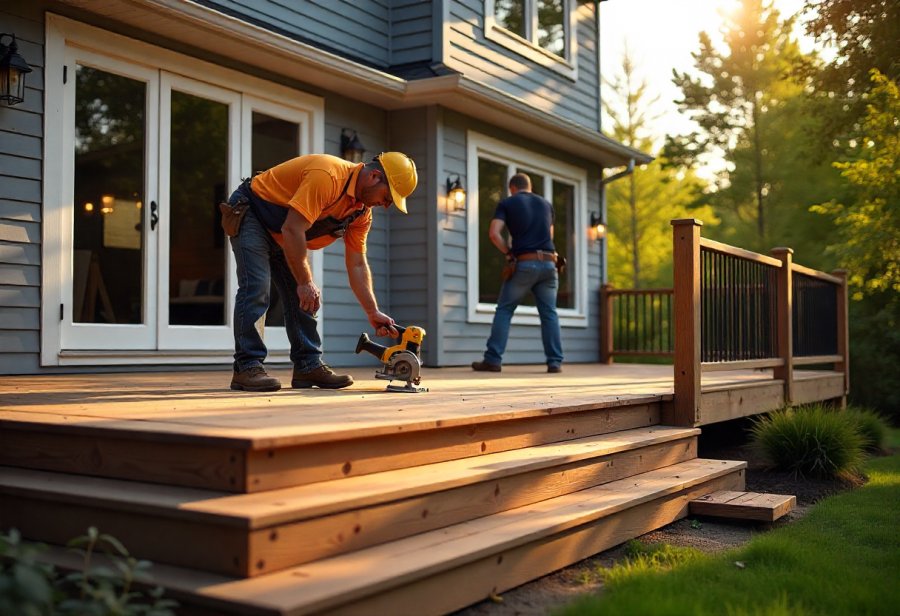
Today’s Trends and Standards: Crafting Stylish, Durable, and Smart Outdoor Decks
Modern custom decks blend innovative design with durable materials and smart technology to define today’s outdoor living spaces. Homeowners now prioritize practicality alongside aesthetics, seeking decks that are not only visually striking but also easy to maintain and long-lasting. Recycled composite decking and eco-friendly finishes have become popular choices, offering resistance to rot, warping, and insect damage while reducing environmental impact. These materials ensure that your outdoor retreat remains beautiful and functional for years without the constant upkeep traditional woods demand.
Design trends lean toward sleek, minimalist aesthetics characterized by clean lines and seamless surfaces. Hidden fasteners and uniform decking boards create a smooth, clutter-free appearance that complements contemporary architecture. Multi-level layouts and custom shapes help maximize irregular spaces, transforming a simple platform into a dynamic outdoor environment. Today’s decks are versatile, serving multiple purposes—from outdoor kitchens and lounges to entertainment zones—highlighting the importance of functionality in modern design.
Technology has revolutionized outdoor spaces, making them more adaptable and user-friendly. Integrated lighting systems, weather-resistant speakers, and built-in heating elements extend usability into the evening and cooler months. Smart controls allow homeowners to adjust lighting, sound, or temperature remotely, turning their deck into a high-tech outdoor lounge. These innovations blend convenience with style, creating seamless indoor-outdoor transitions that reflect a contemporary lifestyle.
Material choices continue to evolve, with exotic hardwoods offering a luxurious look for those seeking upscale finishes. Meanwhile, eco-conscious homeowners lean toward biodegradable finishes and sustainably sourced woods, aligning their outdoor spaces with environmental values. The shift toward low-maintenance options like composite decks means less time spent on staining or sealing, freeing homeowners to enjoy their outdoor areas more often. This practical approach ensures beauty and durability without sacrificing ease of care.
Overall, current standards emphasize outdoor spaces that are both stylish and functional, designed to adapt to diverse needs and lifestyles. Modern decks are no longer just platforms—they’re personalized retreats that seamlessly integrate with the home environment. As materials and technology advance, decks continue to evolve into sophisticated extensions of indoor living, offering innovative ways to enhance outdoor comfort and aesthetics while maintaining practicality at their core.
Step-by-Step Guide: Designing and Building Your Perfect Custom Deck
Designing and building a custom deck begins with understanding how you want to use your outdoor space. Measure the area carefully, paying attention to sunlight, privacy, access points, and terrain. Sketching out initial ideas or working with a professional designer can help translate your vision into detailed plans, including material choices and special features like built-in seating or lighting. Clear, thoughtful planning at this stage ensures your project stays on track and results in a space that suits your lifestyle.
Once your design is solidified, securing the necessary permits is a crucial step. Local regulations can vary, so checking with your city or county ensures your project complies with safety and zoning standards. Proper site preparation follows, involving clearing debris, leveling the ground, and laying a firm foundation. This groundwork prevents future issues like shifting or uneven surfaces, which could compromise safety and durability.
Building the deck starts with framing. This phase involves setting sturdy footings and joists that support the entire structure. Precision here is vital—every beam and support needs to be level and square to ensure stability and safety. After the frame is secure, lay down the decking boards, often using hidden fasteners for a clean, seamless appearance. Paying attention to detail during this step directly impacts the deck’s longevity and visual appeal.
Adding railings, stairs, and finishing touches like integrated lighting or planters personalize your outdoor space further. These elements should complement your overall design while enhancing safety and functionality. For example, railings can be sleek and minimalist or decorative, but they must meet safety standards. Think about how each detail influences usability and aesthetics to create an inviting, cohesive environment.
Throughout construction, weather can pose challenges—rain, wind, or extreme heat might cause delays. Planning for flexible timelines and protecting the site with coverings can help keep your project moving smoothly. Working with experienced contractors familiar with local conditions ensures high-quality craftsmanship and helps navigate unforeseen issues efficiently.
Before using your finished deck, a thorough inspection is essential. Check fastenings, drainage, and surface levelness to ensure safety and durability. Applying a sealant or stain protects the wood from weather damage and maintains its appearance. Taking these final steps preserves your investment, guaranteeing your outdoor retreat remains beautiful, functional, and safe for years to come.
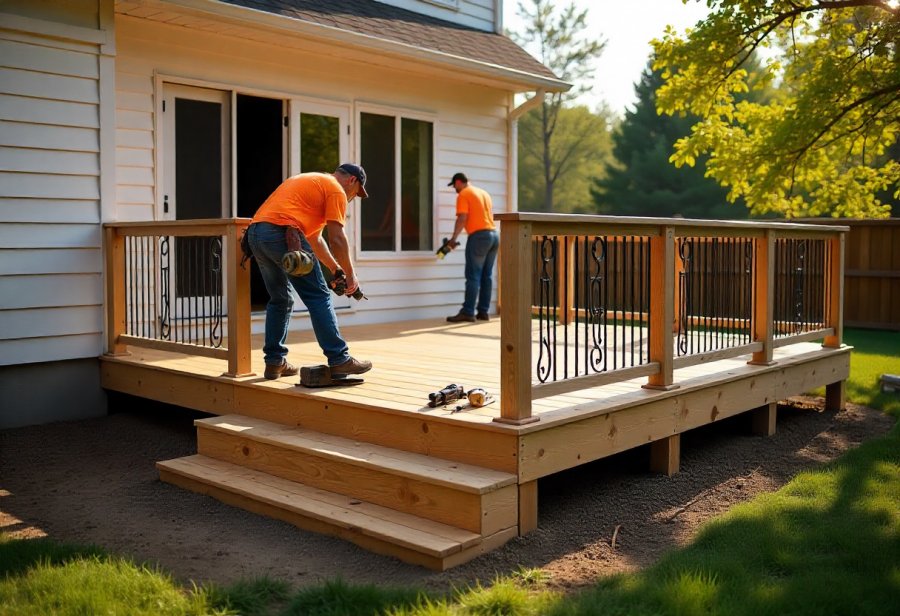
Looking Ahead: Innovative Materials, Smart Tech, and Sustainable Designs for Future Decks
The future of custom deck design promises a landscape transformed by innovative materials, smart technology, and a deeper commitment to sustainability. Recycled composites and biodegradable finishes are gaining popularity, allowing homeowners to create stylish outdoor retreats that are both eco-friendly and durable. These advancements mean decks will last longer, resist the elements better, and require less maintenance—making them smarter investments in the long run.
Technology is set to revolutionize outdoor living even further. Expect solar-powered lighting, wireless sound systems, and integrated heating elements to become standard features. These additions will extend usability well into the evening and cooler months, turning decks into multifunctional outdoor rooms. Smart controls will enable remote adjustments for lighting, music, and temperature, seamlessly blending convenience with modern aesthetics and elevating the outdoor experience to new levels of comfort.
Design trends are leaning toward sleek, minimalist aesthetics with clean lines and hidden fasteners, creating smooth, clutter-free surfaces that complement contemporary architecture. Multi-level layouts and custom shapes will help maximize irregular spaces, transforming even small or challenging yards into personalized outdoor masterpieces. These streamlined designs not only look modern but also reduce upkeep, making it easier to preserve their beauty over time.
Sustainability will remain a key focus, with more homeowners opting for responsibly sourced woods, biodegradable finishes, and environmentally conscious manufacturing processes. As eco-friendly options become more accessible and affordable, they encourage responsible choices without sacrificing style or durability. This shift reflects a broader awareness that outdoor spaces can be both stunning and environmentally responsible, aligning personal aesthetics with ecological values.
Looking ahead, the integration of advanced materials, smart technology, and sustainable practices will redefine what outdoor living spaces can be. Decks will evolve into personalized retreats that adapt to changing lifestyles, environmental concerns, and technological innovations. The result will be outdoor environments that are not only visually striking and highly functional but also resilient and aligned with a sustainable future, offering homeowners a way to enjoy their backyard paradise while respecting the planet.