Transforming Toronto yards into sustainable outdoor retreats is more than just planting native flora or installing hardscapes—it’s a delicate balance of environmental responsibility and aesthetic appeal. How can homeowners create lush, durable landscapes that withstand Toronto’s harsh winters while supporting local ecosystems? By prioritizing native plants, eco-friendly materials, and innovative stormwater management, residents can craft low-maintenance, resilient environments that add value to their homes. The process involves thoughtful design, incorporating features like rain gardens, permeable paving, and durable hardscaping materials that extend the lifespan of outdoor spaces. As technology advances, smart irrigation systems and solar-powered features are reshaping sustainable landscape possibilities, offering efficiency without sacrificing beauty. The challenge remains: how do we seamlessly blend style, function, and sustainability in a way that ensures outdoor spaces thrive year-round? This evolving approach promises not only personal retreats but also contributes to a greener, healthier Toronto.
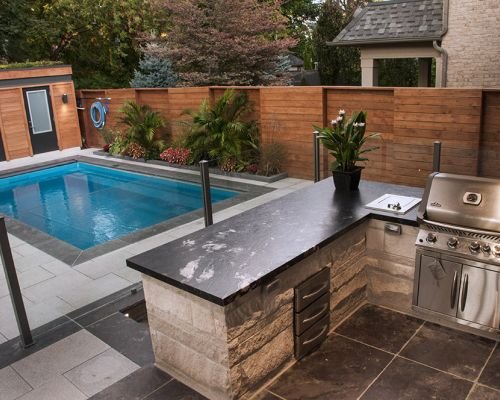
Transform Your Toronto Yard Into an Eco-Friendly Outdoor Retreat
Transforming a Toronto yard into a sustainable outdoor retreat is about more than just planting a few flowers or adding a patio. It’s a thoughtful process that balances environmental responsibility with visual appeal, creating a space that feels inviting and eco-friendly. Sustainable landscape design focuses on choices that work with Toronto’s climate—like native plants, water-saving features, and durable materials—that help your yard stay lush and functional throughout the year, despite cold winters and hot summers.
A key principle is selecting plants adapted to our local environment. Native species handle frost and drought better, meaning less watering and fewer chemicals over time. This approach not only supports local ecosystems but also keeps maintenance costs lower. Proper soil preparation and drainage are equally important, preventing erosion and standing water that can damage your landscape investment. When these elements are integrated, your yard becomes a resilient, low-maintenance haven.
Designing with sustainability in mind also involves choosing durable, eco-conscious materials. Reclaimed stone, recycled pavers, and permeable surfaces extend the lifespan of pathways and patios, reducing the need for repairs. Incorporating rain gardens and permeable paving helps manage stormwater naturally, preventing runoff and erosion. Combining these features with native plantings creates a landscape that’s not only beautiful but also capable of thriving with minimal intervention.
But eco-friendliness doesn’t mean sacrificing style. A well-balanced landscape mixes evergreen and seasonal plants to keep things vibrant year-round. Thoughtful placement of focal points—such as water features or sculptures—adds personality and charm while guiding the eye. Lighting accents enhance the ambiance, making outdoor spaces welcoming for evening gatherings or quiet evenings alike.
Ultimately, sustainable landscape design in Toronto is about creating outdoor environments that endure and support the local ecosystem. By blending eco-friendly practices with thoughtful design, homeowners can enjoy beautiful, functional yards that add value to their homes and contribute to a healthier city. This balanced approach ensures your outdoor space remains a source of pride, relaxation, and environmental stewardship for years to come.
Core Principles: Balancing Eco-Friendliness, Durability, and Aesthetic Harmony
Sustainable landscape design in Toronto revolves around creating a harmonious balance between environmental responsibility and visual appeal. At its core, this approach emphasizes selecting eco-friendly materials and native plants that thrive in our local climate, significantly reducing the need for excessive watering, fertilizers, and chemical treatments. Such choices not only support the health of local ecosystems but also lower ongoing maintenance costs, making the landscape both beautiful and practical.
Durability plays a crucial role in ensuring that outdoor spaces stand the test of time and seasonal shifts. High-quality, resilient materials—like reclaimed stone, recycled pavers, and permeable surfaces—are preferred for pathways, patios, and structural features. These materials withstand Toronto’s hot summers and cold winters without frequent repairs, maintaining their aesthetic and functional integrity over years. Durable hardscaping and plantings mean less waste and fewer replacements, reinforcing the sustainability of the design.
Achieving visual harmony is equally important. A well-designed sustainable yard combines evergreen and seasonal plants to keep interest and color year-round. Thoughtfully placed focal points—such as water features or sculptures—add personality and create inviting spaces. Layering lighting and accents enhances ambiance, extending usability into the evening and fostering a welcoming atmosphere. This careful attention to detail ensures the landscape remains engaging and inviting through all seasons.
Design strategies also focus on functional zoning—creating distinct areas for relaxing, dining, or playing—that maximize usability. Proper placement of pathways, lighting, and focal points guides the eye and creates a sense of flow. Such thoughtful planning results in outdoor environments that are not only stunning but also practical, supporting a seamless outdoor experience aligned with eco-conscious principles.
By prioritizing native plants, eco-friendly materials, and durable hardscaping, designers craft landscapes that are easier to maintain and more resilient over time. This integrated approach supports Toronto’s broader environmental goals while offering homeowners beautiful, low-maintenance outdoor retreats. It’s a commitment to longevity, beauty, and sustainability that benefits both the environment and the homeowner’s lifestyle, ensuring each landscape remains vibrant and functional for years to come.
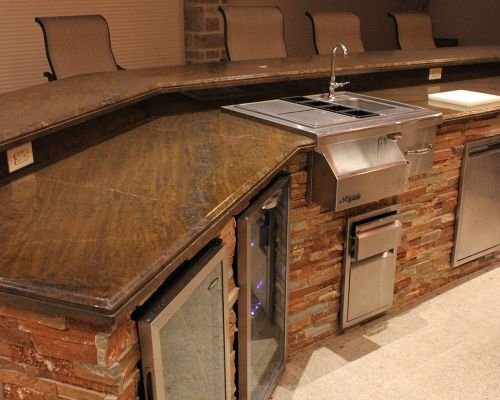
Innovative Ideas to Create Unique and Inviting Outdoor Spaces
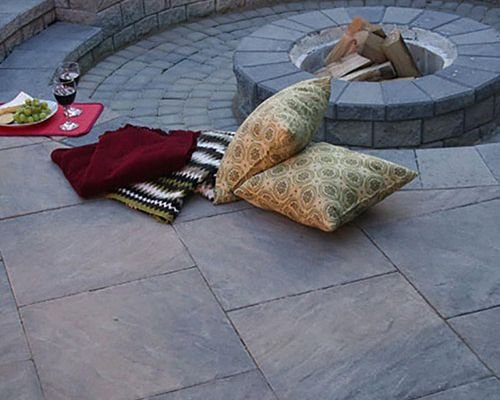
Creating an outdoor retreat that feels both personal and inviting involves more than just planting a few flowers or laying down some stones. It’s about designing spaces where every element encourages relaxation and connection, seamlessly blending functionality with aesthetic appeal. Imagine a cozy fire pit surrounded by comfortable seating, transforming your yard into a warm gathering spot for friends and family to linger into the evening. Adding a water feature—a bubbling fountain or a small pond—can introduce soothing sounds that elevate the sense of tranquility and make the space more immersive.
Lighting plays a crucial role in shaping the mood. Well-placed ambient lights create a warm glow after sunset, while pathway lighting ensures safety and guides visitors through the yard. These details turn an ordinary outdoor area into an extension of your home, perfect for outdoor dinners, quiet evenings, or lively parties. Incorporating dedicated spaces for dining or cooking encourages regular outdoor living, adding both convenience and charm to your landscape.
Personal touches make each retreat unique. Custom pergolas, green walls, or artistic sculptures serve as focal points that showcase your style and add visual interest. Using sustainable materials—like recycled wood or permeable pavers—ensures your space remains eco-friendly without sacrificing style. The goal is to craft an environment that balances beauty and practicality, where every feature supports both form and function.
Designing for versatility means creating a space that can adapt to different needs. Flexible planting beds with a mix of evergreen and seasonal plants provide year-round interest, while movable furniture allows for easy reconfiguration. Features such as outdoor speakers or retractable screens enhance usability, making your yard suitable for everything from morning coffee to evening gatherings. This adaptability ensures your outdoor retreat remains relevant and welcoming through changing seasons and occasions.
From initial concept to final touches, clear planning and communication are key. Listening carefully to your preferences and understanding your lifestyle helps shape a landscape that feels authentic and tailored. Working closely with experienced contractors who prioritize quality and eco-conscious practices guarantees your vision is realized with durability and care. Regular updates and collaborative decision-making keep the project on track, ensuring the end result aligns perfectly with your expectations.
In the end, a truly inviting outdoor retreat combines innovation, personal style, and eco-friendly design. It’s about creating a space where you feel relaxed and inspired, a sanctuary that reflects your personality while supporting sustainability. Thoughtful features and adaptable layouts not only enhance your outdoor experience but also ensure your landscape remains vibrant and functional for years to come.
Practical Steps to Transform Your Toronto Landscape Sustainably
Transforming a yard into a sustainable outdoor space in Toronto starts with a clear plan. Begin by assessing your existing conditions—soil quality, drainage, sunlight patterns, and any current vegetation. Understanding these elements helps identify what can be improved and guides your overall design. Setting specific goals early, whether it’s reducing water use, incorporating native plants, or creating low-maintenance zones, keeps the project focused and aligned with your sustainability ambitions.
Once you have a clear picture of your site, choose eco-conscious design elements that work with Toronto’s climate. Native plants are a smart choice—they thrive naturally, require less water and chemicals, and support local wildlife. Incorporate water management features like rain gardens or permeable paving to handle stormwater naturally, reducing runoff and erosion. Opt for recycled or sustainably sourced materials for hardscaping, such as reclaimed wood or recycled stone, which add durability and character while lowering environmental impact.
Collaborate with experienced contractors who prioritize sustainable practices and quality materials. Communicate your goals clearly from the outset, ensuring everyone understands your vision. During installation, attention to detail—such as proper plant placement and seamless integration of eco-friendly features—is key to creating a resilient landscape. Be prepared to adapt to challenges, like poor soil or limited space, by amending soil or adjusting your plant choices to suit the conditions.
As the project progresses, focus on finishing touches that enhance both beauty and functionality. Mulching conserves moisture and suppresses weeds, while efficient irrigation systems prevent waste and support healthy growth. Regular maintenance, including seasonal pruning and watering, keeps your landscape thriving without excessive effort. Native plants typically demand less care, reinforcing the sustainability of your yard over time.
Maintaining your landscape is an ongoing process. Regularly assess plant health, adjust watering based on weather, and replace or add native species as needed. This mindful upkeep ensures your outdoor space remains vibrant, eco-friendly, and low-maintenance for years to come. By following these practical steps, you’ll create a sustainable, beautiful yard that enhances your property’s value while respecting Toronto’s environment.
Future Trends: Embracing Innovations in Sustainable Landscape Design
Emerging innovations and technologies are reshaping the future of sustainable landscape design in Toronto, making eco-friendly outdoor spaces more functional and appealing. Recycled and biodegradable materials, like reclaimed wood and permeable pavers, are increasingly favored for hardscaping. These choices not only reduce environmental impact but also introduce unique textures and visual interest, blending style with responsibility. As designers seek to minimize waste, these materials are becoming standard, helping landscapes stand out while supporting sustainability.
Smart irrigation systems are transforming water management, ensuring lawns and gardens receive exactly what they need without excess. Soil sensors and weather-adaptive watering devices deliver precise irrigation schedules, preventing overwatering and runoff. This technology conserves water, lowers bills, and promotes healthier plants, especially vital in Toronto’s climate of dry summers and cold winters. As these systems become more affordable and easier to install, they’re poised to become a staple in eco-conscious landscape projects.
Renewable energy integration is also gaining momentum in outdoor design. Solar-powered lighting, fountains, and outdoor appliances extend usability into the evening hours while reducing carbon footprints. These innovations allow homeowners to enjoy beautifully lit outdoor spaces that operate on clean energy, making every gathering or quiet evening more sustainable. Combining energy efficiency with aesthetic appeal, solar features are helping transform outdoor retreats into environmentally responsible sanctuaries.
Modular and adaptable hardscaping solutions are gaining popularity for their flexibility and longevity. Designed to be reconfigured or expanded, these systems support evolving outdoor needs. Made from recycled or sustainable materials, they promote a low-waste approach while allowing homeowners to refresh their landscapes without complete demolition. This adaptability encourages ongoing sustainability, ensuring outdoor spaces remain vibrant and aligned with changing lifestyles.
Staying ahead in landscape design now involves embracing these innovations and fostering community awareness. Sharing knowledge through industry networks, workshops, and online platforms accelerates the adoption of sustainable practices. As technology advances, Toronto’s outdoor spaces will become models of resilience and environmental responsibility, inspiring broader shifts toward greener, smarter landscape solutions that benefit both the environment and homeowners for years to come.