As urban flooding becomes an escalating threat amid climate change and expanding cities, permeable pavers emerge as a game-changing solution. These eco-friendly surfaces allow rainwater to naturally seep into the ground, reducing runoff and easing the burden on overstressed stormwater systems. But are cities prepared to embrace this sustainable technology? From Portland’s flood-resistant plazas to Melbourne’s green streets, real-world examples reveal how permeable paving transforms vulnerability into resilience—preventing water pooling, filtering pollutants, and replenishing groundwater. Yet, successful implementation hinges on meticulous planning, proper installation, and ongoing maintenance, often requiring higher initial investments. Could widespread adoption redefine urban water management and create safer, greener communities? This compelling shift from traditional asphalt to adaptive, environmentally conscious infrastructure invites us to reconsider how we build cities capable of weathering tomorrow’s storms. Are our urban landscapes ready to turn flood risks into opportunities for sustainability and renewal?
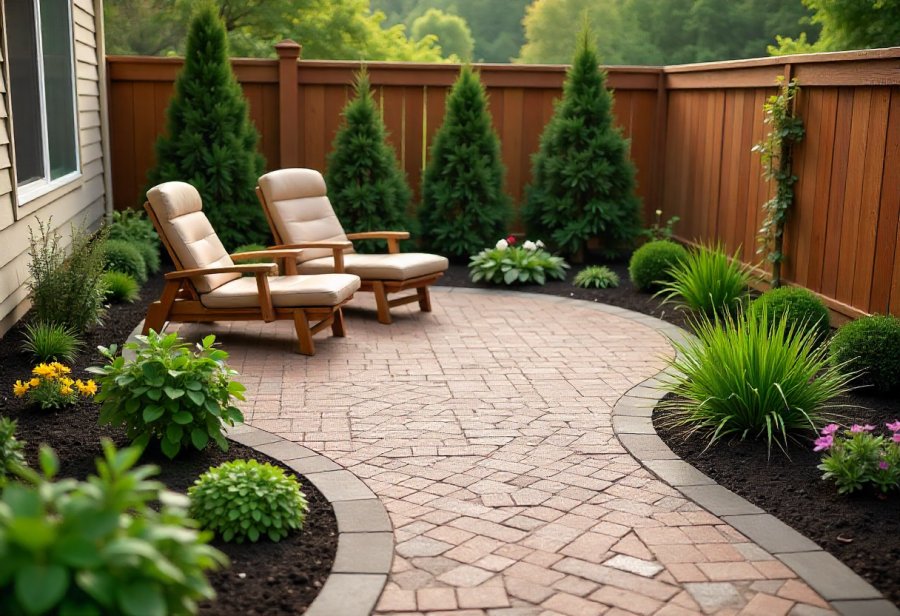
Transforming Urban Flood Management with Permeable Pavers
Urban flooding is becoming an increasingly urgent issue as cities grapple with more intense and frequent storms. Traditional pavement materials like concrete and asphalt are part of the problem because they block water from soaking into the ground. Instead, rainwater quickly runs off these surfaces, overwhelming stormwater systems and causing streets, sidewalks, and public spaces to flood. This not only disrupts daily life but also increases safety risks and property damage.
Permeable pavers offer a practical, eco-friendly solution. Designed to mimic natural water movement, these surfaces allow rain to pass through their gaps and porous materials, seeping into the soil below. When it rains, instead of pooling or rushing into storm drains, the water naturally infiltrates, reducing runoff and easing the burden on urban drainage systems. This helps prevent street flooding and water pooling that can turn city streets into hazards during storms.
Beyond flood control, permeable pavers support groundwater recharge. By allowing rainwater to infiltrate into the soil, they help replenish underground aquifers, which are vital for maintaining water supplies, especially in increasingly urbanized areas. Additionally, as water seeps through these porous surfaces, it filters out pollutants like oils, sediments, and heavy metals, leading to cleaner urban waterways and healthier ecosystems.
The benefits extend to urban aesthetics as well. Permeable pavers come in various colors and textures, offering opportunities for creative landscaping. They transform functional surfaces into attractive public spaces that encourage community use and pride. When integrated into city design, these surfaces add visual appeal while supporting environmental sustainability.
Implementing permeable paving isn’t just about choosing the right materials; it requires thoughtful planning. Proper sub-base preparation and drainage design are crucial to maintain permeability over time. Regular maintenance to clear debris and sediments ensures these surfaces continue to function effectively, preventing clogging that can reduce water infiltration.
As cities expand and climate patterns shift, adopting permeable pavers becomes more critical. They turn a common challenge—stormwater runoff—into an opportunity for smarter, greener urban development. By managing rainwater at its source, permeable paving helps create resilient, safer, and more sustainable cities ready to face the weather extremes of tomorrow.
How Permeable Pavers Work and Their Environmental Advantages
Permeable pavers function by combining durable, porous materials with a design that promotes water movement through their surface. Made from concrete, brick, or stone, these pavers feature gaps, grids, or open-cell structures that allow rainwater to pass through easily. When it rains, instead of pooling or rushing into storm drains, the water seeps through these openings and porous surfaces, gradually reaching the soil below. This process mimics natural water infiltration, helping to manage runoff and prevent flooding in urban areas.
One of the key advantages of permeable pavers over traditional asphalt or concrete is their ability to recharge groundwater. By letting rainwater infiltrate into the soil, they help maintain underground water levels, which is crucial in cities where natural absorption is blocked by impervious surfaces. This not only supports healthier water cycles but also reduces the risk of water shortages during dry periods, contributing to overall water resilience.
Additional analysis is available in Daph Fox‘s article Transforming Cities with Permeable Pavers to Prevent Flooding published on Big News Great Britain.
Permeable surfaces also significantly cut down urban runoff, a major cause of flooding. Unlike conventional pavements that cause rainwater to quickly rush into storm drains, permeable pavers slow the water’s movement, allowing it to soak into the ground instead. This natural absorption reduces street flooding and water pooling, making city streets safer and more navigable during heavy storms. It’s a simple yet effective way to keep urban spaces functional even during severe weather.
Another vital benefit is the natural filtration that occurs as water passes through the porous materials. Contaminants like oils, sediments, and heavy metals get trapped and removed during infiltration. As a result, cleaner water reaches the soil and waterways, helping to protect aquatic ecosystems and improve overall water quality. This filtration process adds an environmental layer of protection, making permeable pavers a smart choice for sustainable urban development.
Beyond functionality, permeable pavers enhance the aesthetic appeal of city landscapes. They come in various colors, textures, and patterns, providing opportunities for creative design. These surfaces transform utilitarian spaces into attractive public areas that foster community pride and engagement. Well-designed permeable pavements not only serve a practical purpose but also contribute to vibrant, welcoming urban environments.
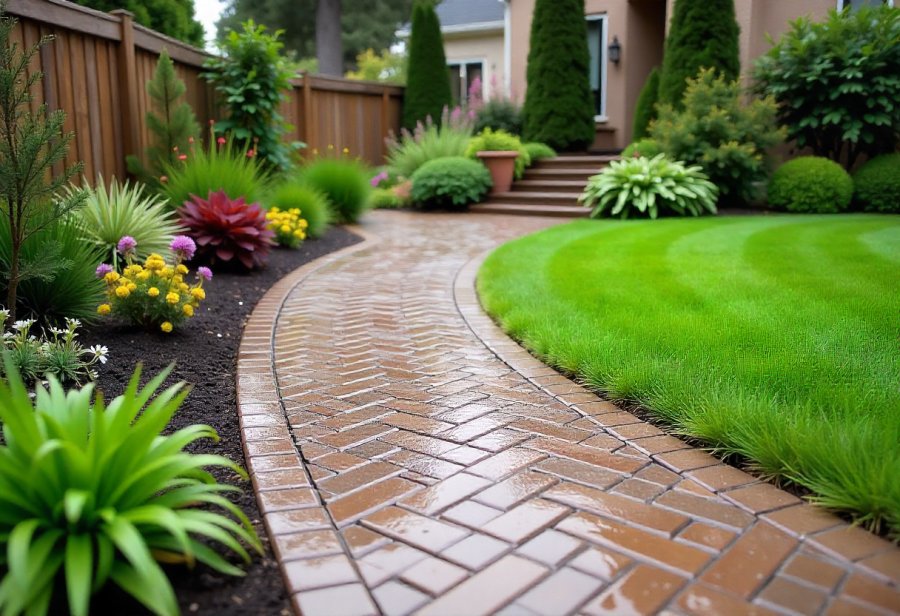
Real-World Success Stories of Flood-Resilient Cities
Across the globe, cities are witnessing the tangible benefits of permeable pavers firsthand. In Portland, Oregon, a busy downtown plaza was redesigned using permeable concrete pavers, and the results were clear during a heavy rainstorm. The surface absorbed much of the stormwater, significantly reducing runoff and preventing flooding—a problem that previously plagued the area. Similarly, Melbourne’s Green Streets initiative incorporated permeable paving into residential neighborhoods, leading to fewer water pools and less strain on stormwater systems during storms. These examples show that permeable pavers aren’t just theoretical—they deliver real, measurable improvements where it counts.
In many cases, transforming flood-prone areas into resilient urban spaces starts with simple upgrades. A suburban parking lot replaced traditional asphalt with permeable pavers, allowing water to naturally drain into the ground. During heavy rains, this change kept the lot accessible and safe, avoiding property damage and minimizing disruption for businesses and residents. Such successes demonstrate that permeable paving is scalable and adaptable, capable of addressing flood risks across diverse environments.
However, implementing these systems isn’t without challenges. Cost remains a concern, as permeable surfaces often require a higher initial investment compared to traditional materials. Proper installation is critical; if the sub-base isn’t prepared correctly or maintenance is neglected, clogging from debris can reduce permeability over time. Yet, many cities find that the long-term benefits—such as lower stormwater management costs and reduced flood damages—justify the upfront expense. Sharing these real-world case studies helps urban planners see the value and practicality of investing in permeable pavers.
Durability and maintenance are also considerations, especially in high-traffic zones or areas with harsh weather conditions. Snow, ice, and frequent use can test the resilience of permeable systems. Advances in materials and design are addressing these issues, with hybrid solutions that combine permeable pavers with other green infrastructure elements. These innovations help ensure long-term performance, making permeable paving a reliable component of urban flood resilience strategies.
For a related discussion, review Malcolm Jones‘s article Protect Your Environment and Property Before Flooding Gets Worse! on Fantasy Quest Pro.
Ultimately, these project examples highlight a broader shift in urban water management. Cities adopting permeable pavers aren’t just reducing flood risks—they’re transforming vulnerable spaces into assets that enhance community resilience and environmental health. Managing rainwater at its source keeps urban environments safer, cleaner, and more adaptable to climate change. These real-world successes make a compelling case: permeable pavers are a practical, scalable solution that can help cities everywhere build a more sustainable, flood-resilient future.
Blueprints for Integrating Permeable Pavers into Urban Design
Integrating permeable pavers into urban infrastructure demands careful planning and collaboration among city officials, engineers, and community stakeholders. Starting with a detailed assessment of local conditions—such as soil type, climate, traffic levels, and existing drainage systems—helps identify the most suitable materials and design solutions. This upfront analysis ensures that the chosen permeable systems will perform reliably and meet specific water management needs, whether in new developments or as retrofits for existing spaces like parking lots, sidewalks, or plazas.
The success of permeable paving hinges on proper installation. Preparing the sub-base correctly and designing efficient drainage systems are essential to maintain permeability over time. If these foundational steps are neglected, clogging from debris or sediments can reduce water infiltration, undermining flood mitigation efforts. Regular maintenance, including debris removal and sediment cleaning, keeps pores clear and preserves the system’s effectiveness, extending its lifespan and ensuring continuous performance.
Vivid Side provides additional background through Vic Reynolds‘s article Time Is Running Out—Use Permeable Pavers to Manage Rainwater Now!.
Designing permeable pavers for long-term resilience involves considering environmental factors and anticipated traffic loads. Selecting durable materials that resist cracking, erosion, and clogging—especially in high-traffic zones or regions with snow and ice—is vital. Tailoring the system to local rainfall patterns and soil characteristics maximizes efficiency and cost-effectiveness, making sure that the infrastructure can handle weather extremes without compromising functionality.
Incorporating permeable pavers into broader green infrastructure strategies enhances urban resilience. Combining these surfaces with rain gardens, green roofs, and detention basins creates a comprehensive water management network that reduces reliance on aging stormwater systems. This integrated approach not only manages runoff more effectively but also transforms urban spaces into multifunctional, aesthetically pleasing environments that foster community engagement and ecological health.
Overcoming initial cost barriers involves emphasizing the long-term economic and environmental savings. While upfront expenses are higher than traditional materials, the reduction in stormwater management costs, flood damages, and water pollution offers substantial benefits over time. Clear guidelines for installation and maintenance, along with support from policymakers through incentives and updated regulations, help streamline adoption and ensure systems perform as intended.
Engaging stakeholders early in the planning process builds support and awareness. Public education campaigns highlighting the aesthetic and environmental advantages foster community buy-in, while policymakers can promote adoption through incentives and green infrastructure standards. Sharing successful case studies demonstrates the tangible benefits of permeable pavers, encouraging wider implementation across diverse urban settings and helping cities move toward more sustainable, flood-resilient communities.
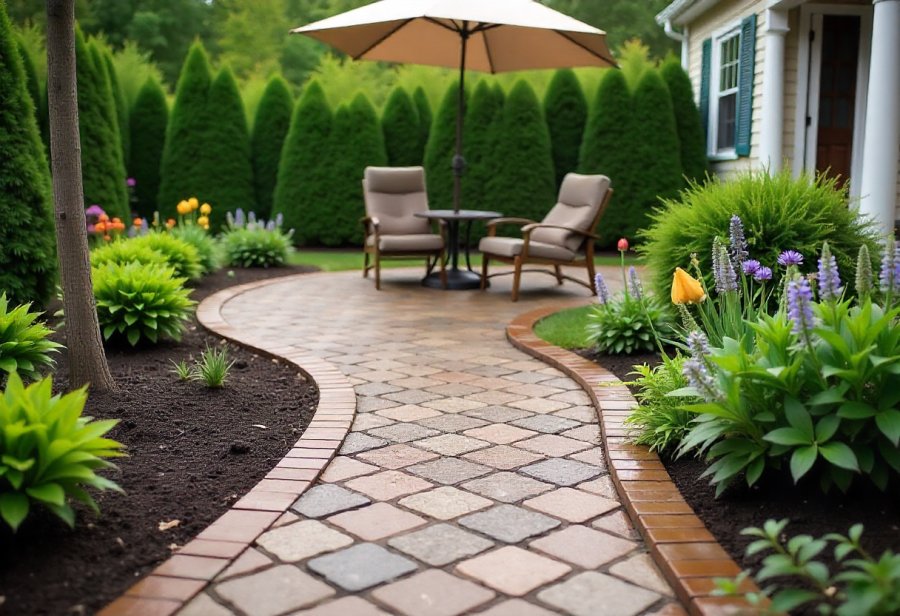
Building Resilient Cities: Embrace Permeable Pavers for a Sustainable Future
Permeable pavers stand out as a practical and proven solution for tackling urban flooding. Their ability to allow rainwater to seep naturally into the ground directly addresses one of the most pressing challenges cities face today—overwhelmed stormwater systems during heavy storms. By managing runoff at its source, these surfaces help prevent water pooling on streets and sidewalks, making urban areas safer and more livable even during severe weather events.
The real-world examples from Portland and Melbourne highlight how permeable paving transforms flood-prone areas into resilient, thriving spaces. These projects demonstrate that replacing traditional surfaces with permeable pavers isn’t just a theoretical idea—it’s a tangible strategy that reduces flood risks, improves water quality through natural filtration, and supports groundwater recharge. The benefits are clear: healthier waterways, lower infrastructure costs, and more confident communities prepared for climate extremes.
Integrating permeable pavers into urban planning is both a smart move and a necessary one for future-ready cities. When designed thoughtfully and installed correctly, these surfaces can seamlessly blend into new developments or serve as effective retrofits for existing spaces like parking lots, sidewalks, and plazas. Their success depends on proper sub-base preparation, ongoing maintenance, and a holistic approach that includes other green infrastructure elements like rain gardens and green roofs.
Despite some upfront costs, the long-term savings and environmental advantages make permeable pavers a wise investment. They reduce the strain on aging stormwater systems, cut down on flood damages, and improve overall water health—benefits that far outweigh initial expenses. Sharing successful case studies and clear guidelines helps build confidence among city officials, engineers, and communities, fostering wider adoption.
Supportive policies, incentives, and public awareness play crucial roles in accelerating this shift. When residents and stakeholders understand how permeable pavers enhance urban resilience, beautify public spaces, and promote sustainability, they become active participants in the transition. Policymakers can facilitate this change by updating regulations and providing funding to make green infrastructure solutions more accessible and attractive.
Looking ahead, advances in materials and innovative installation techniques promise to make permeable pavers even more durable, affordable, and easy to maintain. As technology evolves, these surfaces will become integral components of climate-adaptive urban designs, helping cities better manage water and withstand weather extremes. Their widespread adoption will be key to building resilient, environmentally responsible communities.
Choosing permeable pavers isn’t just about improving drainage—it’s a step toward smarter, greener cities that prioritize safety, sustainability, and quality of life. By embracing this technology today, we turn the challenge of stormwater management into an opportunity for positive change. Together, we can create urban environments that are not only better equipped to handle heavy rains but also more beautiful and welcoming for generations to come.