In a world where seamless, personalized communication can be a game-changer, how can organizations harness the power of customizable telephony solutions to boost efficiency and professionalism? Grandstream offers a compelling answer with its innovative devices designed for scalability and effortless deployment. Their carrier-grade IP phones and centralized management systems like GDMS streamline setup, management, and security across multiple locations, transforming traditional systems into agile, cloud-managed networks. But are these solutions just about high-tech features, or do they fundamentally redefine how businesses connect internally and externally? By integrating advanced functionalities such as auto-attendants, secure encryption, and QoS prioritization, Grandstream empowers organizations to adapt rapidly in a competitive landscape. As demand for flexible, future-proof communication grows, the question remains: can these customizable, easy-to-manage solutions truly turn your network into a strategic advantage—before it’s too late?
Transform Your Business Communications with Customizable Telephony Solutions
In today’s fast-moving business world, clear and adaptable communication is more than just a convenience—it’s a competitive necessity. Companies that tailor their telephony systems to fit their unique workflows can operate more smoothly, respond faster, and deliver a more professional image. Instead of relying on generic phone setups, forward-thinking organizations are investing in customizable solutions that mold perfectly to their operational needs. This personalized approach helps reduce disruptions, streamline processes, and keep teams connected effortlessly.
A well-designed, personalized communication system shapes every interaction, from customer calls to internal collaboration. It can route calls intelligently, create professional auto-attendants, and integrate seamlessly with other digital tools like CRM platforms. By doing so, these systems don’t just make communication smoother—they enhance the overall experience for callers and employees alike. Customers are guided swiftly to the right department, which builds trust and satisfaction, while staff can manage their workflows more efficiently.
Flexibility becomes especially valuable as businesses grow or face changing demands. Scalable telephony systems can expand alongside your organization, supporting new locations, additional staff, or evolving customer service needs without a complete overhaul. Features can be reconfigured easily, allowing your communication infrastructure to stay responsive and agile. This adaptability turns your telephony setup into a strategic asset rather than a fixed cost, helping your business stay competitive in a shifting landscape.
Cloud-based platforms have simplified the deployment of personalized telephony solutions. Instead of costly on-site hardware, organizations can manage their systems remotely through centralized control panels. Platforms like Grandstream’s Device Management System (GDMS) enable quick setup, effortless updates, and comprehensive monitoring across multiple sites. This reduces deployment time and minimizes ongoing maintenance, freeing resources to focus on core business activities.
Investing in customized communication systems also elevates your brand’s professionalism and security. Clear, high-quality calls coupled with tailored routing create a polished image that reassures customers. Integrated security features protect sensitive conversations from cyber threats, while regular updates ensure the system remains reliable and secure. This combination of performance and safety makes your telephony infrastructure a trusted, long-term asset.
As technology advances, the shift towards personalized, cloud-managed solutions reflects a broader move toward smarter, more responsive business tools. These systems empower organizations to stay ahead of competitors by providing reliable, flexible communication channels that grow with them. Whether upgrading existing systems or building new ones, choosing a customizable telephony setup ensures your communication infrastructure is prepared for future challenges and opportunities.
In essence, personalized telephony solutions transform how businesses connect, collaborate, and serve their customers. They turn a basic communication tool into a strategic advantage—boosting efficiency, reinforcing professionalism, and supporting growth. As you explore your options, keep in mind that the right system should fit seamlessly into your operations today and be ready to support your ambitions tomorrow.

Building a Strong Foundation: Key Concepts in Business Telephony
Business telephony forms the backbone of how organizations connect internally and with their customers. It involves a range of systems and technologies designed to transmit voice and data across various networks, from traditional landlines to modern internet-based solutions like VoIP. Understanding these core concepts is essential for making informed decisions about upgrading or customizing your communication infrastructure.
At the heart of modern telephony is Voice over Internet Protocol (VoIP), which routes voice data over the internet instead of traditional phone lines. This shift significantly reduces costs and unlocks advanced features such as seamless integration with digital workflows and cloud services. Call routing is another fundamental element, automatically directing incoming calls based on predefined rules to ensure callers reach the right person quickly. This improves customer experience by minimizing wait times and streamlining communication.
Auto-attendants act as virtual receptionists, answering calls and guiding callers through menu options without human intervention. They are especially useful for handling high call volumes and projecting a professional image. Complementing these are voicemail systems, which capture messages when recipients are unavailable, ensuring no communication is missed. Together, these features create a more organized and responsive system that adapts to the needs of any business.
As technology evolves, there is a clear shift toward cloud-based platforms that offer greater flexibility and scalability. Cloud telephony allows organizations to manage their systems remotely, removing the need for costly on-site hardware. This approach makes adding new users, expanding to multiple locations, and deploying updates easier and faster—allowing your communication infrastructure to grow in step with your business. The ability to scale quickly and manage remotely becomes increasingly vital in a competitive marketplace.
Traditional telephony relied heavily on physical hardware like PBX systems installed on-site, which required significant upfront investment and ongoing maintenance. Today, many organizations prefer hybrid or full cloud solutions that combine control with convenience. This hybrid approach provides a tailored balance of cost, control, and scalability, enabling businesses to optimize their infrastructure without overextending resources. It’s about building a flexible foundation that can adapt to changing demands.
Network management is critical to maintaining call quality and security. Implementing Quality of Service (QoS) settings prioritizes voice traffic over other data, preventing disruptions during busy periods. Support for SD-WAN technology further optimizes network routes, reducing latency and improving reliability. These measures ensure consistent, high-quality calls whether employees are in the office or working remotely. Coupled with security practices like encryption and regular firmware updates, they safeguard sensitive conversations and protect your system from cyber threats.
Grandstream Devices: Powering Efficient and Scalable Modern Telephony
Grandstream has established itself as a leading player in the realm of modern telephony by designing devices that prioritize both network efficiency and simple deployment. Their IP phones and communication endpoints are built to serve organizations of all sizes, from small teams to large enterprises, with a focus on scalability and ease of management. One of the standout features of Grandstream’s offerings is their support for centralized management platforms like GDMS, which enable organizations to configure, monitor, and update multiple devices remotely from a single dashboard. This centralized approach cuts down on administrative overhead and makes deploying devices across multiple sites faster and more reliable.
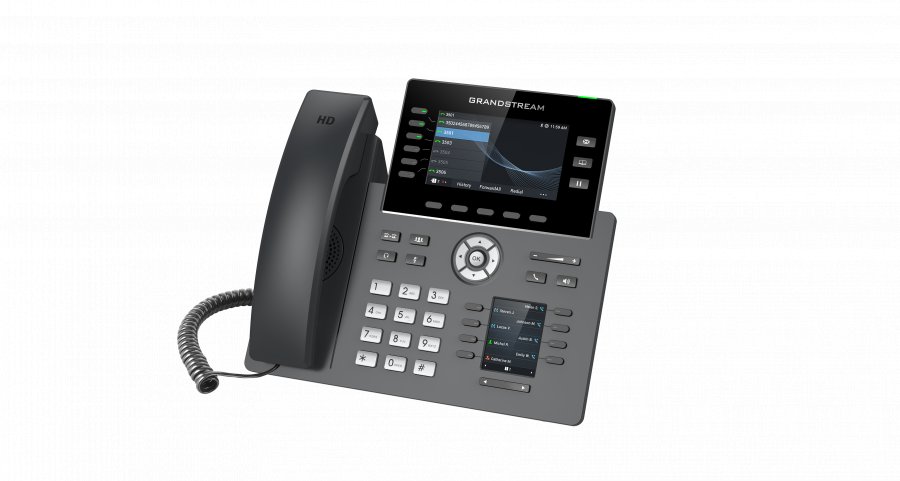
The latest generation of Grandstream IP phones is packed with features that enhance user experience and streamline daily operations. High-resolution color screens, HD audio quality, and intuitive interfaces make communication more natural and efficient. Built-in Wi-Fi and Bluetooth support provide flexible setup options, reducing the need for extensive wiring and enabling quick installation. Many models support multiple lines and programmable keys, allowing users to access essential functions instantly and reducing the time spent navigating menus or switching devices. These enhancements directly boost productivity on the ground.
Scalability is a core strength of Grandstream’s solutions. Their devices support zero-touch provisioning, which allows new phones to be automatically configured once connected to the network. This feature simplifies large-scale rollouts, enabling organizations to add hundreds or even thousands of units with minimal manual setup. Managing these devices becomes equally straightforward through GDMS, where IT teams can oversee settings, security policies, and firmware updates across all devices in real time. This unified management not only saves time but also ensures consistency and security across your entire communication network.
Network optimization is another area where Grandstream excels. Their devices support Quality of Service (QoS) settings, which prioritize voice traffic to prevent disruptions during busy periods. Many models also integrate with SD-WAN technology, dynamically managing network routes to reduce latency and improve stability. These features ensure high-quality, reliable calls whether your team is working from the office or remotely. By maintaining clear, stable connections, Grandstream devices help preserve professionalism and keep your communication flowing smoothly.
Security is built into all Grandstream devices, giving organizations peace of mind. Encrypted signaling, secure boot processes, and access controls protect against hacking and eavesdropping. Firmware updates are delivered seamlessly through GDMS, ensuring that devices stay current with the latest security patches and features without causing downtime. This focus on security helps safeguard sensitive conversations and maintain compliance, especially crucial for organizations handling confidential or regulated information.
Deploying Grandstream’s solutions is designed to be as effortless as possible. Their devices support zero-touch provisioning, so new units can be integrated into your system with a simple plug-in and automatic configuration. Managing devices across multiple locations becomes manageable through the centralized GDMS platform, where updates and troubleshooting can be handled remotely. This streamlined deployment process minimizes disruption, reduces the need for on-site visits, and accelerates your time to productivity. Whether upgrading existing systems or launching a new setup, Grandstream’s devices make the process straightforward and scalable.

Seamless Deployment: Implementing Grandstream Solutions for Optimal Network Performance
Deploying Grandstream’s telephony solutions starts with a clear understanding of your organization’s specific communication needs. Begin by assessing your current setup, identifying pain points, growth plans, and areas where flexibility or remote management could make a difference. This insight helps you select the appropriate devices, such as the GRP series IP phones, which are designed for rapid deployment and scalability. Thanks to their support for zero-touch provisioning, these phones can be configured remotely as soon as they connect to your network, streamlining installation and minimizing the risk of misconfiguration.
Once your device selection is in place, leverage Grandstream’s Device Management System (GDMS) to oversee the entire network effortlessly. GDMS provides a centralized dashboard where you can configure, monitor, and update hundreds or thousands of devices across multiple locations. This cloud-based platform simplifies deployment, eliminates the need for manual on-site setup, and ensures consistent security and configuration standards. With GDMS, your IT team can troubleshoot issues, push firmware updates, and adjust settings remotely, saving valuable time and resources.
Effective network configuration is fundamental to a successful deployment. Prioritize voice traffic by enabling Quality of Service (QoS) settings on your network equipment, ensuring calls remain clear during peak usage. Many Grandstream devices also support SD-WAN integration, which dynamically manages traffic routes across multiple links to optimize stability and reduce latency. These features keep your calls reliable and high-quality, whether employees are working from the office or remotely, maintaining a seamless communication experience.
Security should be a core focus during deployment. Grandstream devices come equipped with encrypted signaling, secure boot, and access controls, protecting conversations from cyber threats. Regular firmware updates, managed centrally through GDMS, patch vulnerabilities and introduce new protections without disrupting your operations. Implementing proper network segmentation and deploying firewalls or VPNs further enhances security, especially when supporting remote or distributed teams. A secure system is essential for safeguarding sensitive information and maintaining trust.
The process of adding new devices is designed to be straightforward. Thanks to zero-touch provisioning, new units can be automatically configured once connected to the network, reducing the need for manual intervention. As your organization evolves, adjusting existing setups—whether it’s adding features, changing call routing, or expanding capacity—becomes simple through GDMS. This flexibility ensures your communication infrastructure can grow and adapt without costly disruptions or lengthy downtime.
Prior to going live, conduct thorough testing of your system. Verify call quality, check security configurations, and confirm device connectivity across all locations. Document your configurations and establish standard operating procedures for ongoing maintenance and troubleshooting. This proactive approach minimizes potential disruptions and prepares your team to handle issues swiftly, ensuring your communication channels stay open and reliable from day one.
Finally, view deployment as an ongoing process. Use GDMS to monitor system health continuously and gather user feedback. Regular reviews of performance and security help you fine-tune your setup over time, keeping your telephony system aligned with your business objectives. Embracing this mindset of continuous improvement guarantees your communication network remains resilient, secure, and ready to support future growth and innovation.