The Ford Mustang embodies the spirit of American innovation, independence, and raw power, capturing imaginations for nearly six decades. From its iconic debut in 1964 to today’s high-performance models, it symbolizes freedom and rebellion, resonating through movies, music, and pop culture. Its evolution reflects a perfect blend of tradition and innovation—maintaining its legendary silhouette while adapting to modern technologies like turbocharged engines and electric powertrains. As the Mustang embraces future trends such as electrification, it raises a compelling question: can this symbol of American muscle and resilience continue to thrill generations while evolving with the times? Enthusiasts’ personal stories reveal a deep emotional connection, fueling its enduring legacy. With its iconic design cues and cultural significance, the Mustang remains more than just a car—it’s a timeless icon that challenges boundaries and inspires adventure. Will its legendary status survive the shift toward sustainability without losing its rebellious edge?
Unveiling the Iconic Spirit of the Ford Mustang
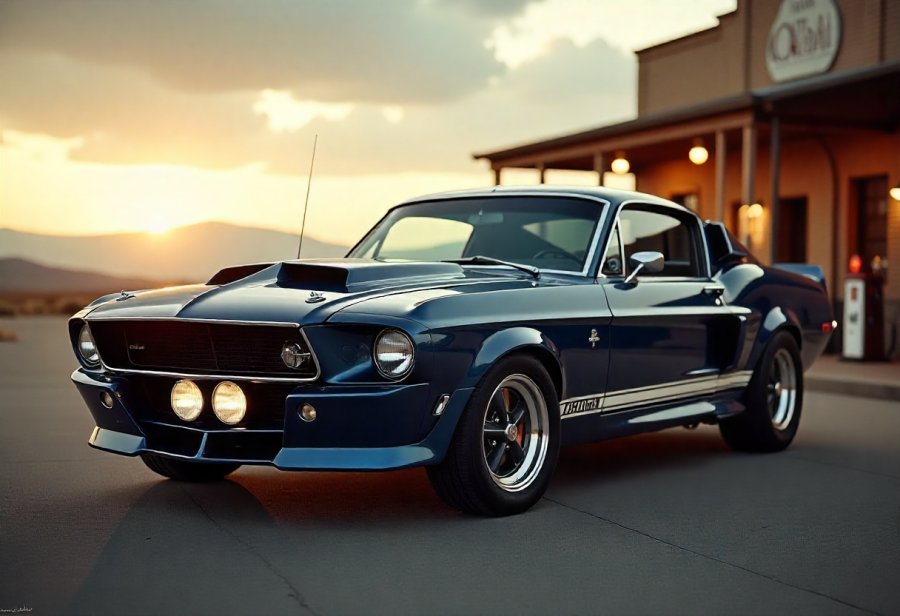
The Ford Mustang isn’t just a car; it’s a symbol of American innovation and free spirit that has captured the imagination for nearly six decades. Since its debut in 1964, the Mustang has become an enduring icon, instantly recognizable for its distinctive design and commanding performance. Its signature long hood and short rear deck create a bold silhouette that signals speed and style, making it a staple of muscle car culture and American identity alike.
What truly sets the Mustang apart is its ability to evoke emotion. Beyond its striking appearance, it represents independence, adventure, and rebellion—values deeply rooted in American history. The Mustang’s presence in movies, music, and pop culture has cemented its reputation as more than just a vehicle; it’s a cultural phenomenon. Its roar of the engine and aggressive stance symbolize a desire to push boundaries and chase freedom.
Born out of a need for an affordable, customizable sports car, the Mustang revolutionized the automotive scene when it launched. Its innovative design combined sporty aesthetics with everyday practicality, appealing to a broad audience. This approach sparked a wave of imitation and set a new standard for American muscle cars, inspiring generations of enthusiasts to personalize their rides and celebrate performance.
Over the years, the Mustang has evolved through various redesigns, each reflecting changing tastes and technological advances. From the early fastback models of the ’60s to modern versions equipped with turbocharged engines and advanced safety features, it has maintained a balance between tradition and innovation. Despite these changes, the core elements—its long hood, muscular stance, and rebellious spirit—remain unchanged, preserving its iconic status.
Today, the Mustang continues to symbolize American resilience and ingenuity. It seamlessly blends the legacy of performance with cutting-edge technology, ensuring its relevance in a rapidly changing industry. The Mustang is more than a car; it’s a testament to the enduring pursuit of freedom and adventure that defines American culture. Its story is far from over, but its place as an everlasting symbol of American muscle and independence is secure.
Tracing the Roots and Evolution of a Legend
The story of the Ford Mustang begins in the early 1960s, when Ford sought to create a sporty, affordable car that could appeal to a wide audience. Unlike the bulky muscle cars that dominated the era, the Mustang was designed to be lightweight, stylish, and highly customizable. Its sleek, aerodynamic look combined with versatile options immediately captured public attention, setting a new standard for American sports cars. When it debuted in April 1964, it not only marked the start of the muscle car era but also redefined what a performance vehicle could be.
The first-generation Mustang, produced from 1964 to 1973, remains the most iconic. Its signature long hood and short rear deck, along with its fastback shape, made it an instant hit. Early models offered a range of engine choices—from modest six-cylinders to powerful V8s—making performance accessible without sacrificing affordability. This combination of sporty styling and practicality drew a broad audience, inspiring competitors and sparking a wave of imitation that cemented its place in American automotive history.
As the years went on, the Mustang evolved through several redesigns, each reflecting shifting tastes and technological advances. The second and third generations introduced sleeker lines, more refined interiors, and improved handling, all while preserving the core elements that made the original so distinctive. During the 1980s and 1990s, design shifts toward modern aesthetics brought better fuel efficiency and safety features, but the long hood and muscular stance remained constant, ensuring the car’s recognizable silhouette endured.
Entering the 21st century, the Mustang transformed into a high-performance icon equipped with cutting-edge technology. Modern models feature independent rear suspensions, turbocharged engines, and advanced infotainment systems, pushing speed and comfort to new heights. Shelby variants like the GT350 and GT500 exemplify this evolution, delivering supercharged horsepower and aerodynamic enhancements that continue to push the boundaries of performance while honoring their roots.
Throughout its history, the Mustang has responded to changing tastes while staying true to its original spirit. Its design updates have always balanced innovation with tradition, ensuring each generation remains recognizable yet fresh. From the vintage fastbacks to today’s modern muscle cars, the Mustang’s evolution highlights a commitment to performance, style, and versatility that keeps fans engaged across decades.
Cultural influences have played a key role in shaping the Mustang’s journey. Films like “Bullitt,” featuring Steve McQueen’s legendary chase scene, helped cement its reputation as the quintessential American muscle car. Music, television, and advertising have reinforced its image as a symbol of rebellion and freedom. These cultural touchpoints keep the Mustang relevant, connecting its historical significance with contemporary audiences.
Today, the Mustang continues to evolve, embracing innovations like electric powertrains and advanced safety features. Its future promises a blend of electrification and performance, with models like the Mustang Mach-E offering a glimpse of what’s to come. Yet, no matter how much it changes, the Mustang’s core identity—its long hood, muscular stance, and rebellious spirit—remains unchanged, ensuring its legacy as a true American icon endures.
The Mustang: Embodying American Power and Pride
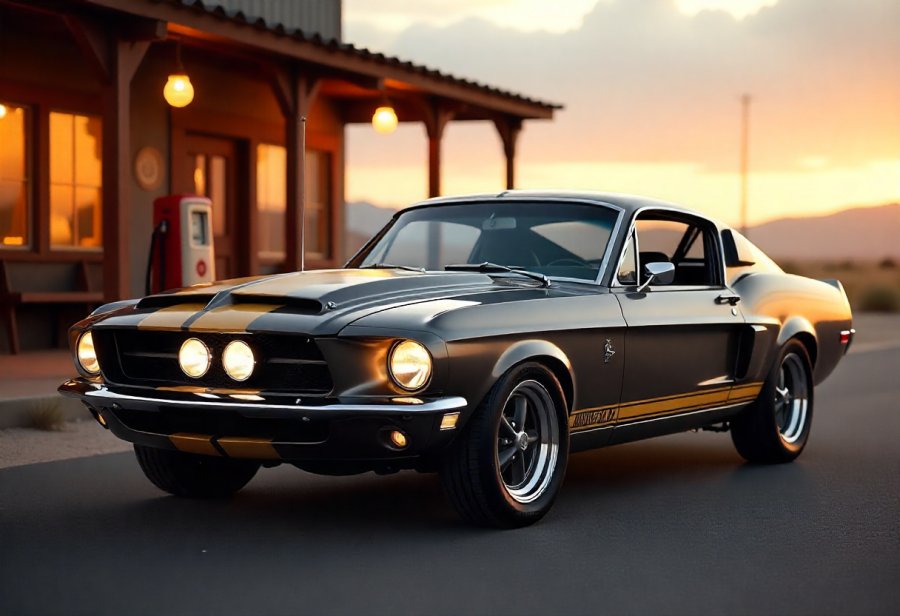
The Ford Mustang stands as a symbol of American engineering and cultural identity, embodying the bold spirit of a nation that values innovation, independence, and resilience. Its commanding presence and unmistakable design capture the essence of the muscle car tradition, making it an icon recognized worldwide. The long, muscular silhouette and signature details like the pony grille are more than aesthetic choices—they’re visual cues rooted in performance and strength, reflecting the American desire to push limits and stand out.
Performance power is at the heart of what makes the Mustang an enduring cultural symbol. Its legendary V8 engines deliver raw horsepower and exhilarating acceleration, embodying resilience and a relentless pursuit of speed. Whether cruising down an open highway or dominating a race track, the Mustang’s mechanical strength echoes the American values of freedom and rebellion, inspiring generations to chase adventure without compromise.
Hollywood and media have played a significant role in shaping the Mustang’s iconic status. Films like “Bullitt,” with Steve McQueen behind the wheel, helped cement its reputation as the quintessential American muscle car. Its appearances in music videos, television, and advertisements have reinforced its image as more than just transportation—it’s a symbol of independence, daring, and self-expression that resonates deeply with American culture.
Design elements like the signature pony grille, side scoops, and aggressive stance have become visual shorthand for muscle car authenticity. These details have evolved over time but always maintain a sense of power and purpose. The Mustang’s visual identity is a blueprint for American muscle cars, inspiring countless imitators while remaining uniquely recognizable.
Throughout its history, the Mustang has mirrored the American spirit—innovative, resilient, and forever pushing boundaries. Its ability to adapt to changing tastes while retaining core design cues ensures its relevance across generations. Whether as a classic vintage model or a modern high-performance machine, the Mustang continues to symbolize the pursuit of freedom and the thrill of the open road.
Culturally, the Mustang represents more than just a vehicle. It embodies the ideals of independence and self-reliance that define American identity. Its presence in popular culture as a rebellious icon makes it a powerful reminder of the nation’s love for innovation and daring. The car’s legacy extends into the collective consciousness, inspiring pride and a sense of belonging among enthusiasts and casual fans alike.
The Mustang’s role as an American icon is also rooted in its ability to unite communities. Car clubs, shows, and rallies celebrate its history, fostering camaraderie among owners and fans. These gatherings keep the legacy alive, emphasizing shared values of performance, style, and Americana. The Mustang isn’t just a car; it’s a cultural touchstone that continues to connect people through stories of speed, rebellion, and freedom.
In the end, the Ford Mustang’s status as an American automotive icon is undeniable. It captures the essence of a nation driven by innovation and a desire to stand out. As it evolves with new technologies and design innovations, its core identity remains intact—an everlasting symbol of American muscle, resilience, and the pursuit of adventure. The Mustang’s legacy is woven into the fabric of American culture, inspiring new generations to dream big, drive fast, and never back down.
Real Stories Behind the Legend: Owner Experiences and Personal Triumphs
Many Mustang owners remember their first drive as a moment of pure excitement and a taste of freedom. For some, it’s the roar of the engine as they hit the open road, feeling the raw power beneath their fingertips. Others recall the satisfaction of restoring a vintage model, spending months sourcing authentic parts, tuning the engine, and bringing a piece of American automotive history back to life. These experiences turn a car into a personal achievement, forging a deep connection that goes beyond mere transportation.
Restoring a classic Mustang often becomes a labor of love, demanding patience and dedication. Enthusiasts find joy in learning about the car’s design and engineering, transforming it from a rusty shell into a shining symbol of resilience. The process isn’t just about fixing a vehicle; it’s about preserving a legacy. When the job is done, many owners feel a sense of pride, knowing they’ve maintained a piece of American muscle that has inspired generations.
Driving a modern Mustang offers a different kind of thrill. The visceral experience—the growl of the engine, the responsive handling—creates an adrenaline rush that’s hard to match. Owners often describe the feeling of control and excitement, whether tearing down winding roads or cruising through city streets. It’s a perfect blend of tradition and innovation, allowing drivers to enjoy the legacy of muscle cars with the comforts of modern technology.
The Mustang community is vibrant and welcoming. Car clubs, shows, and rallies are common places where owners share stories, swap tips, and showcase their rides. Attending these events fosters camaraderie and reinforces a shared passion for performance and style. Whether vintage or new, each Mustang on display tells a story of rebellion, independence, and craftsmanship, strengthening bonds among enthusiasts.
Many owners cite movies like “Bullitt” or “Gone in 60 Seconds” as pivotal in shaping their love for the car. For them, the Mustang isn’t just about speed; it’s a symbol of freedom and self-expression. These personal stories highlight how deeply the car’s legacy resonates on an emotional level, becoming woven into their identities and dreams.
Ultimately, these stories reveal that owning a Mustang is about more than just the car itself. It’s about the memories made behind the wheel, the friendships forged at shows, and the ongoing thrill of being part of a legacy that celebrates American ingenuity and the pursuit of adventure. The Mustang remains a living symbol—an enduring connection between past, present, and future.
Pioneering the Future: Mustang’s Next Chapter and Enduring Legacy
The future of the Mustang promises to blend its legendary performance with innovative technology, ensuring it remains a symbol of excitement and relevance. As the automotive industry shifts toward electrification, Ford is exploring electric variants that uphold the Mustang’s core spirit of speed and freedom. The Mustang Mach-E exemplifies this transition, offering instant torque, silent acceleration, and zero emissions—all while maintaining the sporty DNA enthusiasts cherish. This move isn’t just about meeting regulations; it’s about reimagining what a muscle car can be in a sustainable future.
Design-wise, expect the Mustang to adopt more aerodynamic shapes and lighter materials that boost efficiency without sacrificing its aggressive stance. Automakers are experimenting with advanced composites and smart design features to reduce weight and improve handling. Even as these innovations take hold, the signature long hood, muscular proportions, and bold lines will likely stay, serving as visual anchors that connect new models to their storied past. The challenge lies in balancing tradition with progress, ensuring each iteration remains instantly recognizable.
Performance will continue to be at the heart of its evolution. Hybrid systems, turbocharged engines, and fully electric powertrains are set to push speed and agility to new heights. Shelby variants like the GT350 and GT500 will still represent the pinnacle of horsepower, now with a more sustainable edge. The goal is to deliver exhilarating acceleration and raw power while reducing environmental impact—an ambitious yet necessary balancing act. This evolution aims to honor the car’s roots while appealing to a new generation of drivers seeking thrill and sustainability.
Advancements in technology will reshape the driving experience as well. Expect more sophisticated connectivity, driver assistance, and even autonomous features becoming commonplace. Enhanced infotainment systems, augmented reality displays, and smarter safety tech will make driving more intuitive and engaging. Despite these high-tech upgrades, the core identity of the Mustang—a vehicle built for thrill, independence, and self-expression—will remain central. It’s about creating a seamless blend of tradition and innovation that appeals to both longtime fans and newcomers.
The Mustang’s cultural significance will stay strong as it embraces these new directions. Its role as a symbol of rebellion, resilience, and American ingenuity is deeply rooted in popular culture. Future models will continue to be celebrated not just for their performance but as icons of progress and perseverance. Supporting restoration projects, promoting Mustang culture through media, and emphasizing sustainability will help keep its legacy alive. The story of the Mustang is evolving, but it remains a powerful emblem inspiring generations to chase adventure and push boundaries.
Throughout this ongoing journey, the Mustang’s enduring appeal will lie in its ability to adapt without losing what makes it special. Its signature design cues and rebellious spirit will serve as a foundation for innovations yet to come. As it embraces electrification and new technologies, the Mustang will continue to symbolize American resilience, freedom, and the relentless pursuit of speed. Its legacy is not just about the cars themselves but about inspiring future generations to dream big, drive fast, and never back down.