In an era where effective communication is pivotal to business success, customizable telephony solutions are transforming how organizations connect, collaborate, and grow. But how can devices like Grandstream’s innovative IP phones and management systems revolutionize network efficiency and deployment speed? This compelling narrative explores the shift from traditional landlines to dynamic IP-based platforms, emphasizing the importance of scalability, security, and seamless integration. With a focus on open standards such as SIP, and features like centralized management through GDMS, Grandstream empowers businesses to tailor their communication infrastructure to meet evolving needs. The contrast between on-premises and cloud solutions underscores the strategic choices organizations face in balancing control and flexibility. As telephony technology advances, this story reveals how enterprises—large and small—can leverage such innovations to streamline workflows, enhance security, and future-proof their networks, raising the question: Are you ready to unlock a new realm of communication potential?
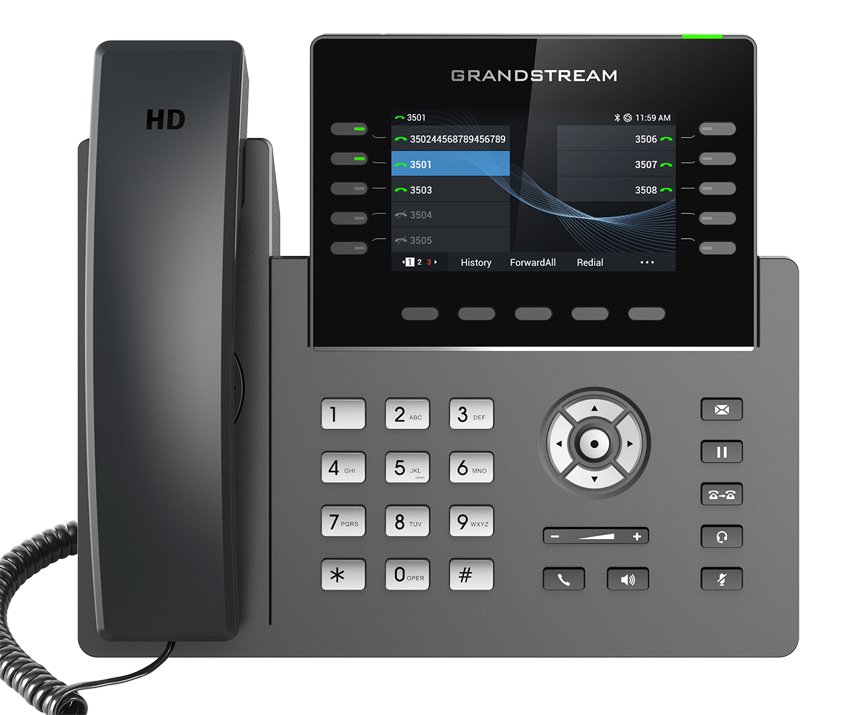
Transform Your Business Communications with Customizable Telephony Solutions
In today’s fast-paced business environment, effective communication isn’t just a nice addition—it’s a critical driver of success. Companies of all sizes are seeking ways to make their interactions more efficient, personalized, and adaptable. This need has propelled the rise of customizable telephony solutions, which allow organizations to tailor their communication systems to fit their unique workflows and industry demands. Moving beyond one-size-fits-all setups, businesses now have the opportunity to enhance productivity and improve customer experiences through flexible, scalable networks.
The shift toward remote and hybrid work models has made this flexibility even more vital. Traditional landlines, while reliable, often fall short in supporting dispersed teams, leading to fragmented communication. IP-based solutions like Voice over Internet Protocol (VoIP) step in to bridge this gap, offering not only clearer calls but also a suite of features such as call routing, video conferencing, and CRM integration. These tools enable teams to stay connected, responsive, and productive no matter where they are, transforming how businesses operate in a digital-first world.
Devices play a crucial role in enabling this new level of communication. From desk phones equipped with high-resolution screens to softphones and mobile apps, hardware options are increasingly designed for ease of use and remote management. Their ability to be configured and monitored centrally makes deployment quick and straightforward, reducing the overhead of managing large or distributed teams. This adaptability ensures that organizations can scale their communication networks seamlessly, adding new users or features without costly disruptions.
Underlying these advancements are industry standards and protocols that ensure compatibility, security, and future readiness. SIP (Session Initiation Protocol), for example, allows devices from different manufacturers to work together smoothly, while encryption methods like SRTP and TLS protect sensitive conversations from cyber threats. By relying on these open standards, companies can build reliable, secure telephony networks that evolve with technological innovations, avoiding vendor lock-in and enabling long-term flexibility.
Ultimately, embracing customizable telephony solutions empowers organizations to streamline workflows, reduce wait times, and deliver more personalized service. Whether upgrading existing systems or deploying new networks, the ability to tailor communication tools to specific needs is no longer a luxury but a strategic necessity. As technology continues to advance, solutions like those offered by Grandstream will keep organizations ahead of the curve—creating communication systems that are as dynamic and adaptable as the businesses they serve.

Foundational Knowledge: Understanding Modern Telephony Systems and Devices
Telephony systems have undergone a dramatic transformation from the days when landlines connected by copper wires were the standard. Today, most businesses rely on digital, IP-based networks that support a broad range of features far beyond simple voice calls. This shift has made it essential for organizations to understand the core components of modern communication systems to make informed choices and optimize their networks.
Voice over Internet Protocol (VoIP) stands at the heart of this evolution. By converting voice signals into digital packets transmitted over the internet, VoIP delivers not only clearer calls but also a suite of advanced features such as video conferencing, instant messaging, and seamless integration with customer relationship management (CRM) platforms. This convergence of functionalities streamlines workflows and reduces the need for multiple standalone systems, creating a unified communication environment.
Device options have expanded significantly, from traditional desk phones to softphones that run on computers or tablets, and mobile apps that keep employees connected on the go. These devices are designed for ease of use and remote management, often supporting auto-provisioning and centralized control. Such features simplify deployment, reduce setup time, and make ongoing maintenance more manageable, especially across multiple locations or distributed teams.
Technological trends continue to shape how telephony infrastructure is managed. Cloud management platforms, like Grandstream’s Device Management System (GDMS), enable remote configuration, monitoring, and updates across large fleets of devices. These tools allow organizations to scale their communication systems efficiently, whether adding new users or expanding into new markets, without the need for extensive on-site interventions.
Security has become a critical concern amid increasing cyber threats. Industry-standard encryption protocols such as SRTP and TLS are now integrated into devices and platforms to safeguard voice data and maintain privacy. These security measures ensure conversations remain confidential, helping organizations comply with industry regulations and protect sensitive information from interception or tampering.
Another significant trend is the move toward unified communications platforms that combine voice, video, messaging, and collaboration tools into a single interface. This integration reduces operational silos, enhances user experience, and boosts productivity by enabling teams to switch seamlessly between different modes of communication. Many organizations are adopting hybrid deployment models that blend on-premises hardware with cloud management, balancing security and flexibility to meet their specific needs.
Understanding these foundational elements—core components, device types, technological trends, and security protocols—lays the groundwork for selecting and deploying effective telephony solutions. This knowledge helps organizations build reliable, scalable, and secure networks that can adapt to future growth and technological advances. By staying informed about these basics, businesses position themselves to leverage new innovations and optimize their communication infrastructure for long-term success.
Current Trends and Options Shaping the Future of Business Telephony
The landscape of business telephony is more varied and dynamic than ever before. Companies now have a choice between traditional on-premises systems, cloud-managed platforms, or hybrid setups that combine the best of both worlds. Cloud-based solutions are gaining popularity for their flexibility, easy scalability, and straightforward management, making them ideal for organizations embracing remote and hybrid work models. These platforms allow employees to communicate from anywhere, reducing the reliance on physical infrastructure while maintaining high-quality connections.
Meanwhile, some businesses still prefer on-premises systems to keep tight control over their communications, especially in industries with strict regulatory requirements or those with significant existing hardware investments. These setups often provide a sense of security and stability but can be less flexible and more costly to maintain as the organization grows or adapts to new needs. The decision often hinges on a company’s specific operational priorities and future expansion plans.
VoIP technology remains at the forefront of current telephony solutions. It transforms voice into digital data, traveling over the internet rather than dedicated phone lines. This shift not only cuts costs but also unlocks a range of advanced features such as video conferencing, instant messaging, and seamless CRM integration. These enhancements enable teams to collaborate more effectively and respond quickly to customer inquiries, regardless of their physical location. High-quality network equipment and prioritization tools are essential to ensure reliable calls amid increasing internet traffic.
Unified communications platforms are reshaping how businesses connect internally and externally. By integrating voice, video, chat, and collaboration tools into a single interface, these systems eliminate silos and streamline workflows. Employees can switch effortlessly between different modes of communication, boosting productivity and improving user experience. Many organizations are adopting hybrid models that combine on-premises hardware with cloud management, offering a balance of control and flexibility suited to their unique needs.
Device options continue to expand, supporting the diverse demands of modern workplaces. High-resolution IP phones with large screens, softphones that run on computers or tablets, and mobile apps keep teams connected on the go. These devices are designed for quick setup and easy management, often through centralized systems like Grandstream’s Device Management System (GDMS). This approach simplifies deployment across multiple locations and reduces ongoing maintenance, ensuring consistent performance and user satisfaction.
Security is a rising concern as more communications move over IP networks. Industry-standard encryption protocols such as SRTP and TLS are now commonplace, protecting voice data from cyber threats and ensuring privacy. These security features are vital for maintaining regulatory compliance and safeguarding sensitive information. As cyber attacks become more sophisticated, organizations must prioritize these protections to maintain trust and operational integrity.
The adoption of hybrid deployment strategies is another trend shaping the current telephony environment. Combining on-premises hardware with cloud-based management offers organizations a flexible, secure, and scalable solution. This approach allows sensitive data to stay within the company’s network while benefiting from the ease of remote configuration and updates. It provides a practical path for businesses seeking to modernize without sacrificing control.
Overall, today’s telephony solutions reflect a focus on adaptability, security, and integration. Companies are increasingly looking for systems that can grow with them, support remote work, and deliver a seamless user experience. The choices available enable organizations to tailor their communication networks precisely to their operational needs, ensuring they stay competitive in a rapidly evolving digital landscape. Keeping pace with these trends means embracing technology that not only meets current demands but also anticipates future growth and innovation.

Grandstream’s Pioneering Role in Advancing Telephony Technology
Grandstream has firmly established itself as a leader in telephony innovation by consistently delivering flexible, scalable solutions tailored to a broad range of business needs. Their devices are engineered to support organizations from small startups to large enterprises, emphasizing customization and ease of integration. This focus allows businesses to craft communication networks that evolve alongside their growth, avoiding costly and disruptive overhauls.
A key strength of Grandstream’s approach is their commitment to interoperability and open standards. Their devices seamlessly integrate with existing platforms and third-party systems, reducing compatibility issues and future-proofing investments. This flexibility makes it easier for organizations to develop a unified communication environment that can adapt to changing operational demands, whether scaling up or upgrading infrastructure.
The company’s product lineup supports scalable deployment, from straightforward IP phones to advanced devices with large, high-resolution screens and multiple lines. This range enables organizations to start with basic setups and expand incrementally, saving costs initially while retaining the ability to add features or users later. Auto-provisioning and centralized management tools like GDMS simplify deployment across multiple locations, saving time and minimizing manual configuration efforts.
Security is a cornerstone of Grandstream’s solutions. Their devices incorporate industry-standard encryption protocols such as SRTP and TLS to safeguard voice conversations from cyber threats. Support for Quality of Service (QoS) and remote troubleshooting ensures high call quality and reliable performance, even in complex network environments. These features help organizations maintain seamless, secure communication channels vital for customer engagement and internal collaboration.
Beyond hardware, Grandstream excels in delivering comprehensive management solutions. Their platforms enable remote configuration, monitoring, and firmware updates, making it easier to scale and maintain large device fleets. This not only reduces operational overhead but also ensures consistent performance and quick adaptation to changing needs. Such centralized control empowers organizations to respond swiftly to growth or new market opportunities.
Security and ease of management go hand in hand with device reliability. Grandstream’s solutions are designed to be straightforward to deploy and maintain, even for organizations with limited IT resources. Their devices support auto-provisioning, which accelerates deployment, while ongoing remote management simplifies updates and troubleshooting—keeping networks running smoothly without unnecessary downtime.
Partnering with Grandstream means embracing a future-proof communication platform that’s as adaptable as your business. Their innovative solutions help streamline workflows, enhance customer interactions, and support digital transformation initiatives. By choosing a provider committed to open standards, scalability, and security, organizations position themselves to meet tomorrow’s communication challenges today.