What if true strength isn’t measured by external conquests or wealth but by inner discipline and resilience? Marcus Aurelius personified this paradox, ruling an empire with wisdom rooted in Stoic philosophy amid chaos, wars, and plagues. His life prompts us to ask: can mastery over oneself be the greatest form of power? This work explores how inner virtues—self-control, patience, wisdom—serve as the bedrock of genuine influence, far beyond superficial achievements. Through Marcus’s example, we see that cultivating inner strength involves daily reflection, mindfulness, and moral clarity, shaping leaders and individuals alike. It challenges the common notion that external success defines true power, revealing that steady resilience and moral integrity forge an unshakable core capable of weathering life’s storms. This compelling journey invites us to consider how developing internal discipline can elevate our character and impact, making us stewards of lasting strength in a turbulent world.
Uncovering Inner Power: The Hidden Force Behind True Strength
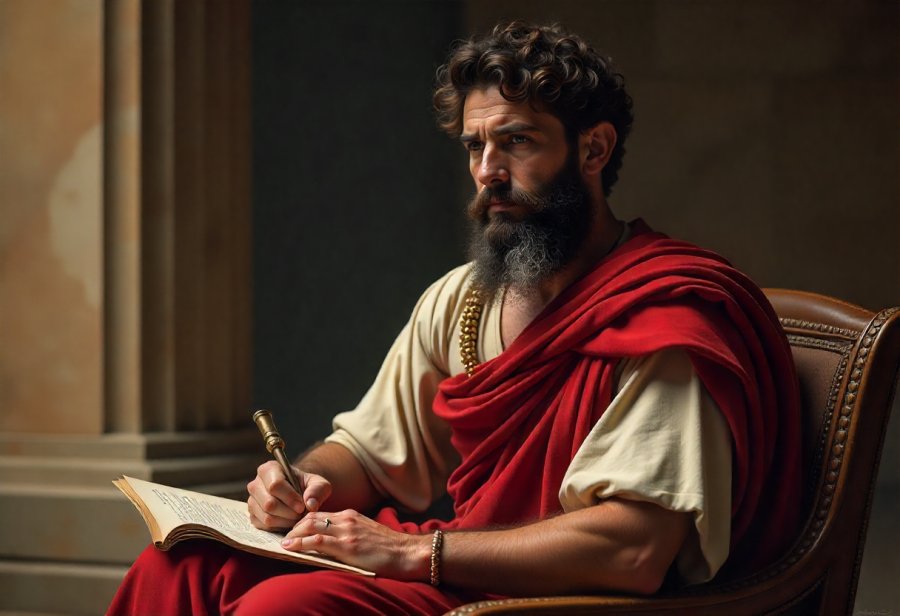
Power is often associated with outward signs—conquering lands, accumulating wealth, or commanding armies. We tend to see strength as something visible and measurable. But true power isn’t always about what’s on the surface. Many great thinkers and leaders have pointed out that real strength is internal: the resilience, discipline, and wisdom that help us stay steady when everything around us is uncertain or chaotic. This inner strength acts like an invisible force guiding our actions and decisions, often behind the scenes but with a profound impact on our lives.
When we look at figures like Marcus Aurelius, it becomes clear that genuine power doesn’t come from external victories or possessions. Instead, it stems from mastering oneself—controlling desires, managing emotions, and maintaining clarity during adversity. Marcus believed that the highest form of strength isn’t found in external conquests but within the mind and character. His writings in *Meditations* reflect a deep focus on internal discipline as the foundation of resilience. This inner mastery allows a person to face setbacks and hardships with calm and purpose, rather than being swept away by impulses or fear.
This idea challenges the common view that power is about dominance or external success. Instead, it suggests that real influence comes from the strength we develop inside. When we cultivate self-control and resilience, we become less dependent on external factors for our well-being. We learn to stay grounded amid chaos, which not only helps us face adversity but can also inspire others. Leaders who embody this inner strength tend to guide with humility and steadiness, earning trust not through force but through unwavering discipline.
Shifting our perspective to see true power as internal changes how we approach personal growth and leadership. It encourages us to focus less on superficial achievements and more on virtues like patience, wisdom, and self-awareness. Developing inner strength creates a stable foundation that can support us through life’s storms, providing clarity and calm when external circumstances are unpredictable. Marcus Aurelius’s life exemplifies this—his ability to govern an empire and confront constant threats was rooted in his inner discipline and philosophical outlook.
This inner strength isn’t reserved for emperors or philosophers; it’s accessible to everyone. It starts with simple acts of reflection, mindfulness, and self-awareness. By cultivating these habits, we build mental resilience and a steady core that remains unshaken by external chaos. Developing inner discipline is a continuous process, but each step strengthens our capacity to face challenges with calm and purpose. Ultimately, true power begins within, and nurturing it can transform how we lead ourselves and others alike.
Timeless Wisdom of Rome and Stoic Philosophy in Leadership
During Marcus Aurelius’s reign, Rome was at its zenith, yet it faced relentless challenges—border wars, political intrigue, and devastating plagues. Leaders weren’t judged solely by military success or territorial expansion but by their moral integrity and virtue. Stoic philosophy, which originated in Greece and gained firm footing in Rome, provided a guiding framework. Its teachings emphasized self-control, resilience, and moral clarity, offering leaders like Marcus a way to navigate chaos with calm assurance.
Born into a wealthy Roman family in 121 AD, Marcus received a rigorous education in philosophy, rhetoric, and law. Recognized early for his discipline and intelligence, he was adopted by Emperor Antoninus Pius, which set him on a path toward leadership. His exposure to Stoic thinkers such as Epictetus and Seneca deeply shaped his worldview. These philosophers taught that true strength comes from within—by mastering desires and emotions—and Marcus internalized these ideas as guiding principles for both his personal life and his rule.
Stoicism centers on the idea that we can only control our thoughts, attitudes, and actions, not external events. This was especially relevant during turbulent times—border conflicts, plagues, political unrest—where external circumstances were beyond control. Marcus’s philosophical approach helped him accept hardships calmly and maintain inner resilience. Virtues like mindfulness, moral integrity, and patience weren’t just personal ideals but essential tools for effective leadership, enabling him to stay steady under pressure and inspire others to do the same.
Throughout his reign, Marcus faced numerous crises—conflicts with Germanic tribes, widespread illness, and political upheaval. These tests demanded unwavering discipline and mental fortitude. His military campaigns required patience and strategic calm, while the plague confronted him with mortality and human fragility. Despite setbacks, Marcus remained rooted in Stoic principles, viewing each difficulty as an opportunity for virtue. His ability to preserve composure and clarity amid turbulence illustrates how inner resilience was the foundation of his leadership.
Influenced heavily by Stoic philosophers like Epictetus and Seneca, Marcus learned to accept what he couldn’t change and focus on his internal response. Epictetus emphasized equanimity and acceptance, reinforcing that genuine strength lies in self-mastery. Seneca’s insights on managing emotions and living purposefully provided practical guidance for navigating adversity. These teachings became the backbone of Marcus’s leadership, underscoring that external power is secondary to internal virtue.
In this context, Marcus Aurelius exemplifies how inner resilience and discipline can serve as a stable foundation amid external chaos. His life shows that true strength isn’t about conquest or wealth but about governing one’s own mind and character with dignity. The Stoic ideals he embraced offer a timeless blueprint for enduring hardship with grace, proving that the greatest power resides within.
Building Resilience: Core Principles of Inner Discipline
Inner discipline forms the core of genuine strength, serving as the foundation for resilience and virtue. It’s more than just controlling actions; it’s about mastering impulses and emotions that threaten to derail us. When self-awareness takes root, we start noticing our reactions before they fully take over, giving us the chance to choose a more deliberate response. Recognizing these triggers is the first step in building mental toughness, allowing us to face setbacks with calm and clarity instead of reacting impulsively.
Wisdom plays a vital role in strengthening inner discipline. It helps us distinguish what truly matters from fleeting distractions or superficial temptations. With this clarity, we can prioritize virtues like patience, justice, and temperance over momentary pleasures or reactive impulses. Wisdom guides our decisions to align with long-term values rather than immediate reactions, reinforcing our inner strength. Marcus Aurelius often emphasized that real power comes from disciplined thinking—seeing beyond short-term temptations to what is morally and practically right.
Resilience is another key aspect of inner strength. It’s about bouncing back from difficulties without losing purpose or composure. Building resilience involves practicing patience and viewing hardships as opportunities to grow. When setbacks occur, a resilient mind doesn’t dwell in despair but seeks lessons and adapts accordingly. Marcus’s writings reflect this approach—adversity isn’t a defeat but a test of character. Resilience keeps us steady when external circumstances threaten to overwhelm us, helping us maintain perspective and focus.
Self-mastery is an ongoing effort to regulate thoughts, emotions, and behaviors in line with our principles. Marcus exemplified this through daily reflection and moderation, regularly examining his motives and actions. This continuous effort transforms fleeting willpower into a deeply ingrained virtue. It’s about cultivating a balanced perspective—enjoying life’s moments without losing sight of our higher purpose. This balance creates a steady inner core that enables us to confront life’s ups and downs with confidence and calm.
Inner discipline isn’t about denying ourselves pleasure or avoiding challenges; it’s about developing a perspective that allows us to enjoy life’s moments without compromising our principles. Moderation is essential—knowing when to act and when to hold back. This balanced approach fosters a resilient inner core, helping us face difficulty with patience and clarity. Leaders who embody this inner strength become more consistent and trustworthy, guiding others by example and moral steadiness. Developing this discipline is a continuous journey, but its rewards—steadfastness, wisdom, and authentic influence—are well worth the effort.
From Philosophy to Practice: Leading with Inner Strength
Inner discipline isn’t just a philosophical ideal; it has real-world applications that can transform how we lead and grow personally. For leaders, embodying inner strength means making decisions rooted in wisdom and virtue, especially during turbulent times. Marcus Aurelius’s meditations remind us that maintaining calm and focus amid chaos can inspire trust and loyalty in others. When leaders demonstrate self-control and clarity, they set a powerful example that encourages their teams to develop resilience and steadiness of their own.
In daily life, simple routines like reflection, mindfulness, or journaling can significantly bolster mental toughness. Pausing before reacting, focusing on what’s within our control, and viewing setbacks as opportunities to learn are habits that strengthen inner discipline over time. These practices help create a mental environment where resilience feels natural, making it easier to navigate life’s inevitable ups and downs with calm and purpose. Over time, these habits build a steady core that remains resilient even when external circumstances are unpredictable.
Applying Stoic principles also involves shifting perspective during challenges. Instead of seeing obstacles as insurmountable, viewing them as chances to practice virtues like patience and humility transforms adversity into a growth opportunity. Marcus’s writings show that hardships aren’t just setbacks—they’re tests of character. This mindset fosters a sense of steadiness and confidence that allows us to stay focused on our long-term goals, even in difficult times.
Building inner discipline is a gradual process rooted in small, consistent actions. Incorporating mindfulness, reflection, and deliberate restraint into everyday routines gradually develops a resilient mindset. Over time, these habits forge an unshakeable inner core that can withstand external pressures. This internal strength isn’t just about personal peace; it influences how we lead and connect with others, inspiring trust through consistency and moral clarity.
Ultimately, cultivating inner discipline shapes how we face the world. It enables us to act with integrity and patience, even under stress, and it encourages others to do the same. As Marcus Aurelius demonstrated, true power resides within—rooted in self-mastery and virtue. Developing this internal resilience isn’t a one-time effort but a lifelong journey that elevates our capacity to lead with authenticity, stability, and wisdom.
The Lasting Impact of Inner Discipline: Cultivating True Power
Inner discipline is the true foundation of genuine strength. It’s not about flaunting external achievements or fleeting victories, but about mastering ourselves—our thoughts, emotions, and impulses. When we cultivate inner control, we build a resilient core that remains steady regardless of external chaos. Marcus Aurelius exemplified this, showing us that calmness in moments of upheaval and unwavering virtue stem from daily practices of self-discipline and reflection.
The most enduring power doesn’t come from armies, wealth, or external conquests. Instead, it resides in the ability to govern one’s inner world with patience and clarity. Marcus’s life reminds us that real strength is rooted in self-mastery—an unshakable resolve that guides our decisions and shapes our character. By focusing on virtues like humility, wisdom, and restraint, we develop an inner fortress that external circumstances cannot easily breach.
This internal resilience is accessible to everyone. It begins with simple habits—regular reflection, mindfulness, and deliberate restraint—that gradually reinforce our mental toughness. Over time, these small acts forge a steady inner core, making us better equipped to face life’s inevitable challenges with calm purpose. Such habits transform resilience from a fleeting feeling into a deep-seated virtue that sustains us through adversity.
When we prioritize inner discipline, we also improve how we lead and connect with others. Leaders who embody this strength inspire trust and loyalty because their actions are rooted in consistency and moral clarity. They act not out of impulse but from a wellspring of self-awareness and virtue, setting an example that encourages others to develop their own resilience. This creates a ripple effect, fostering a culture of steadiness and integrity.
Reframing power as an internal quality shifts our perspective on success. It urges us to value patience, wisdom, and moral integrity over superficial gains. These virtues forge a legacy that endures beyond external accomplishments, rooted in the strength of character. Developing this inner resilience is a lifelong journey—one that demands ongoing reflection, effort, and growth.
In the end, true strength begins within. It’s a continuous process of cultivating self-awareness, moderation, and virtue—building a resilient core that remains unshaken by external storms. Marcus Aurelius demonstrated that this internal mastery elevates us beyond fleeting achievements to a state of lasting power. By embracing inner discipline, we unlock a deeper, more lasting form of strength—one that guides us through life with calm, purpose, and integrity.