Nylon’s omnipresence in our daily lives—found in clothing, carpets, and gear—belies a complex web of environmental costs rooted in its petrochemical origins. While its durability and affordability drive industry reliance, its production from fossil fuels unleashes significant ecological impacts, including habitat destruction, greenhouse gases, and toxic waste. As nylon wears out, it sheds microfibers polluting oceans and harming marine life, with lingering waste in landfills contributing to the global plastic crisis. Despite growing awareness and efforts toward recycling and sustainable alternatives, industry dependence on fossil fuel-based nylon persists, hindered by technological and economic barriers. Can we reconcile our convenience with environmental responsibility? The urgent need for innovation, stricter regulation, and consumer awareness underscores that rethinking nylon’s lifecycle isn’t just necessary—it’s imperative to safeguard our planet’s future.

Uncovering the Hidden Costs of Nylon in Our Daily Lives
Nylon is one of those materials you encounter every day, often without realizing it. It’s in the clothes we wear, the carpets under our feet, and the gear we use for sports or outdoor adventures. Its popularity stems from being durable, affordable, and highly versatile, making it a go-to choice across countless industries. From fashion to manufacturing, nylon’s presence is almost unavoidable, shaping much of the modern material landscape.
But behind this convenience lies a more complicated story. While nylon has made our lives easier in many ways, it also carries significant environmental costs. Its widespread use means that pollution and resource depletion connected to its production and disposal impact ecosystems and communities alike. This duality raises important questions about the true cost of a material so deeply embedded in our routines.
Understanding nylon begins with recognizing that it’s a synthetic fiber created through chemical processes derived from fossil fuels like oil and natural gas. Its manufacturing involves complex steps—from extracting raw petrochemicals to refining and polymerizing them into fibers. These processes require enormous amounts of energy and produce harmful byproducts, including greenhouse gases and toxic chemicals. As a result, nylon’s production footprint is closely linked to the fossil fuel industry and its environmental challenges.
The lifecycle of nylon—from raw material extraction to disposal—reveals a series of environmental issues. Extracting fossil fuels disturbs habitats and contributes heavily to climate change. Factory emissions release pollutants into the air and water, affecting nearby ecosystems. When used, nylon products shed tiny microfibers during washing, which often escape wastewater treatment and enter oceans. These microplastics pose risks to marine life and can enter the food chain, further amplifying environmental concerns.
Disposal adds another layer to the problem. Nylon’s durability means it can linger in landfills for hundreds of years, slowly breaking down into microplastics that contaminate soil and water. Because it doesn’t decompose quickly, it accumulates in landfills and natural habitats, contributing significantly to the global plastic pollution crisis. Recycling efforts are underway, but they face limitations—mechanical recycling often degrades fiber quality, and chemical recycling still faces development hurdles. Meanwhile, the demand for inexpensive, durable nylon products continues to grow, exacerbating these environmental impacts.
In recent years, awareness around nylon’s ecological footprint has increased, prompting some industries to explore alternatives. Sustainable options like bio-based fibers and improved recycling technologies are gaining attention, but widespread change remains slow. Many companies still heavily rely on traditional nylon, making it challenging to move away from fossil fuel-based materials without significant innovation and investment. Regulatory measures are starting to tighten, especially in regions with stricter environmental standards, but enforcement varies widely.
Looking ahead, it’s clear that reevaluating nylon’s role is crucial. Its environmental footprint highlights the need for broader shifts toward more sustainable materials and production methods. Developing biodegradable fibers, expanding recycling infrastructure, and reducing overall consumption are essential steps. Recognizing the full scope of nylon’s impact helps us make more informed choices about the materials we use daily, emphasizing the importance of sustainability in our modern world.
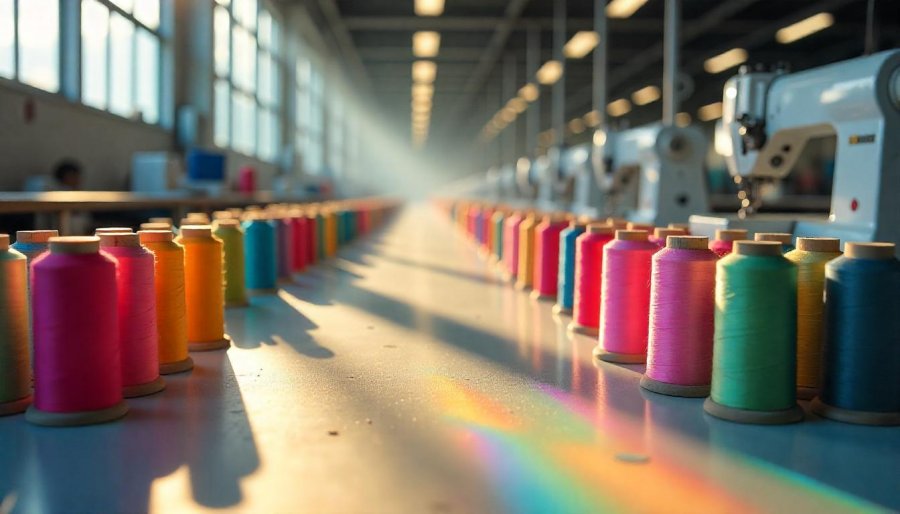
From Petrochemicals to Pollution: The Environmental Toll of Nylon Production
Nylon production starts deep in the chemical industry, relying heavily on extracting petrochemicals from fossil fuels like oil and natural gas. These raw materials undergo processing in refineries, where they’re transformed into fundamental chemicals such as hexamethylenediamine and adipic acid. These serve as the building blocks for nylon fibers. The process involves energy-intensive steps like cracking, refining, and purification, all of which demand vast amounts of energy and produce significant emissions. Once these monomers are ready, they are combined through polymerization—a chemical reaction that links long chains of molecules, forming nylon.
The environmental impact of this process is substantial. The extraction and refining of fossil fuels are inherently disruptive, damaging habitats, endangering wildlife, and risking spills that can cause long-term ecological harm. Burning additional fossil fuels to power manufacturing amplifies greenhouse gas emissions, contributing to global warming. Chemical production itself releases a range of pollutants, including toxic byproducts, solvents, and catalysts. If not properly managed, these substances can leach into soil and waterways, poisoning ecosystems and threatening human health.
Greenhouse gases, primarily carbon dioxide, are a major byproduct of nylon’s manufacturing chain. The reliance on fossil fuels means that every step—from extraction to processing—adds to the industry’s carbon footprint. Despite some companies experimenting with cleaner energy sources, the majority of nylon production remains fossil fuel-dependent. As global demand increases, so does the industry’s contribution to climate change, locking in a cycle of environmental harm that’s difficult to break without fundamental shifts.
Chemical reactions involved in nylon synthesis can also generate hazardous waste streams. Solvents and catalysts used during polymerization may escape into the environment if not carefully contained. Improper disposal or accidental spills lead to localized pollution, contaminating soil and water, and impacting surrounding communities. While technological advances have introduced cleaner production methods, many factories still operate with outdated systems that release pollutants into the air and water, underscoring the need for stricter regulation and innovation.
The dependence on non-renewable resources makes nylon’s production inherently unsustainable. As the industry’s appetite for raw materials grows, so does its ecological toll—habitats are disturbed, greenhouse gases accumulate, and ecosystems suffer. Transitioning to alternative feedstocks, such as bio-based chemicals, offers promise but remains limited by current technological and economic barriers. Without widespread adoption of these innovations, the environmental costs of nylon production will only intensify, pushing ecosystems closer to the brink.
Addressing these issues requires a shift in how we think about manufacturing and resource use. Recycling and circular economy initiatives are promising strategies to reduce reliance on virgin materials, but current methods often degrade fiber quality or are still under development. Investing in biodegradable fibers derived from renewable sources and rethinking product life cycles can help curb the environmental impact. Without such changes, the cycle of extraction, pollution, and waste will continue to threaten our planet’s health.
Ultimately, tackling nylon’s environmental footprint is about more than cleaner factories—it’s about reimagining the entire lifecycle of materials. Innovation, regulation, and consumer awareness must work together to promote sustainable alternatives and responsible production. This transition is not just necessary; it’s urgent, if we want to reduce the ecological damage tied to our reliance on petrochemical-based fibers. As we look forward, the challenge lies in balancing industry needs with environmental stewardship, ensuring that our material choices today do not compromise the health of future generations.
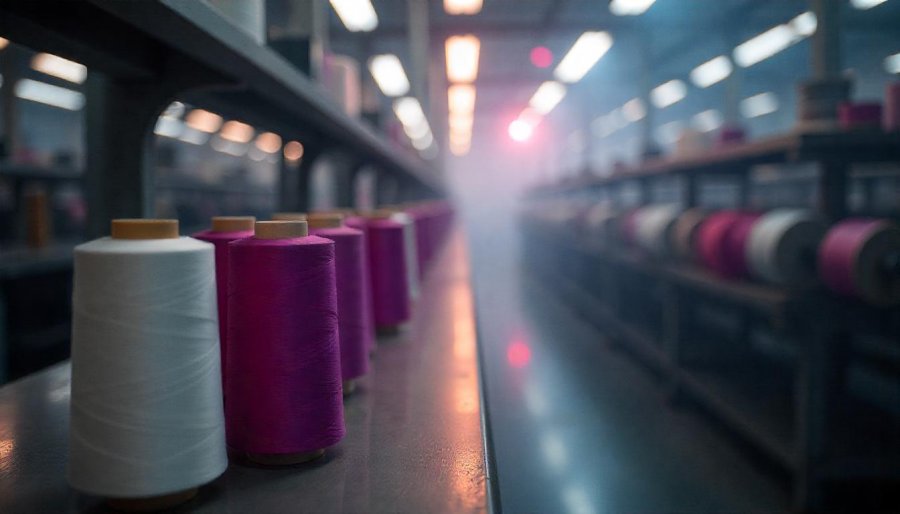
Navigating the Current Challenges of Nylon Use and Its Environmental Impact
The current landscape of nylon use presents a mixed picture. While it remains a staple across industries—from fashion and textiles to industrial applications—its environmental footprint becomes increasingly hard to ignore. One of the most pressing concerns is microplastic pollution. Every time nylon products are washed, tiny fibers shed and often escape wastewater treatment, eventually ending up in oceans and waterways. These microfibers pose a serious threat to marine life, as they are ingested by organisms at all levels of the food chain and can even make their way into human diets through seafood. The durability that makes nylon so popular also means these fibers persist in the environment for years, turning what was once a convenient material into a long-lasting pollutant.
Despite growing awareness of these issues, many industries remain heavily dependent on traditional nylon. Companies are beginning to explore sustainable alternatives, like recycled nylon or bio-based fibers, but these initiatives often operate on a limited scale. Transitioning away from fossil fuel-based nylon involves overcoming significant technical challenges and substantial investment in new manufacturing processes. As a result, most manufacturers continue to rely on the familiar, inexpensive, and durable nylon derived from non-renewable resources, perpetuating the cycle of environmental impact.
Government regulations are gradually catching up, with some regions tightening rules around chemical emissions, waste management, and manufacturing standards. These measures aim to reduce pollution and encourage adoption of cleaner technologies. However, enforcement varies widely across different jurisdictions, often depending on local economic priorities. In many parts of the world, economic growth still takes precedence over strict environmental controls, allowing outdated practices to persist. This patchwork enforcement slows progress toward sustainable production and leaves many environmental issues unaddressed.
The greenhouse gas emissions associated with nylon production remain significant. Since the manufacturing process depends heavily on extracting and refining fossil fuels, it inherently contributes to climate change. While some companies are experimenting with renewable energy sources and cleaner production methods, these innovations haven’t yet been widely adopted. As global demand for nylon continues to grow, so does its carbon footprint, making it harder for the industry to align with broader climate goals. This dependency on finite resources also accelerates ecological depletion and environmental degradation.
Waste management poses another major hurdle. Nylon’s resilience means it can take hundreds of years to break down in landfills, during which it releases microplastics into soil and water. Recycling efforts, though improving, face limitations; mechanical recycling often degrades fiber quality, restricting reuse, while chemical recycling remains largely in development. The scale of nylon waste generated worldwide far exceeds current recycling capacities, leading to increased accumulation in landfills and natural habitats. This persistent waste crisis underscores the urgent need for better strategies to reduce, reuse, and recycle nylon products.
Looking ahead, industries face a critical choice. Continuing with current practices risks worsening environmental degradation, but embracing innovation could point toward a more sustainable future. Advances in biodegradable fibers derived from renewable sources show promise, but widespread adoption requires significant investment and regulatory support. Transitioning to circular economy models—where nylon is reused and recycled efficiently—could drastically cut down waste and resource consumption. Without these shifts, the environmental toll of nylon will only deepen, threatening ecosystems and public health on a broader scale.
Addressing these challenges demands a coordinated effort across industries, governments, and consumers. It’s about rethinking how we produce, use, and dispose of nylon, with an emphasis on sustainable alternatives and responsible management. This involves fostering technological innovation, strengthening environmental regulations, and raising consumer awareness about the true cost of materials. The path forward is clear: by making smarter choices today, we can reduce nylon’s environmental impact and protect natural resources for future generations. The current situation highlights the urgency of these changes, reminding us that the steps we take now will shape the health of our planet for years to come.