As winter’s icy grip tightens, the question arises: are winter tires truly worth the investment for enhanced safety and control, or are they an unnecessary expense? Modern tire technology emphasizes their crucial role in maintaining grip on snow and ice, thanks to softer rubber compounds and deeper, sipes-laden tread patterns designed specifically for cold conditions. While all-season tires attempt a compromise, they often fall short in severe winter weather, risking longer stopping distances and reduced steering response. Driven by safety data, evolving regulations, and technological innovations, winter tires are increasingly regarded as essential—particularly in regions prone to icy patches and heavy snowfall. Yet, misconceptions persist, with some dismissing them in milder climates. This contrast fuels ongoing debate about safety priorities, prompting drivers to weigh the tangible benefits of shorter stopping distances and better control against costs and inconvenience. Ultimately, understanding when and where winter tires make the difference can be the key to safer winter journeys.

Why Winter Tires Are Your Best Defense Against Icy Roads
Winter driving can be a real challenge, especially when icy roads and unexpected snowfalls catch many drivers off guard. The difference between arriving safely and losing control often comes down to one key factor: the tires on your vehicle. When temperatures drop and road conditions worsen, having the right tires isn’t just about comfort—it’s a crucial safety decision. Many drivers ask whether investing in winter tires is truly worth it, especially in regions where winters are milder. The answer hinges on understanding how tires perform in cold weather and what kind of grip they provide on icy surfaces.
Summer tires are designed to excel on warm, dry, or wet roads, but they tend to harden when temperatures dip below about 45°F (7°C). This hardening reduces their flexibility and grip, making them less reliable on icy or snow-covered roads. All-season tires attempt to strike a balance, offering some versatility across different conditions. However, their rubber compounds and tread patterns are not optimized for severe cold, often leading to compromised traction when it matters most. That’s where winter tires come into play—they’re specifically engineered to handle the unique challenges of cold, icy, and snowy roads.
Winter tires differ from their summer and all-season counterparts through their softer rubber compounds, which stay flexible in freezing temperatures. This flexibility allows the tires to maintain better contact with icy surfaces, enhancing grip and control. Their deeper, more aggressive tread patterns are equipped with multiple sipes—tiny slits that increase biting edges—making it easier to grip snow and ice. These features work together to improve acceleration, steering, and braking, giving drivers a noticeable edge in maintaining control on treacherous winter roads. When roads are slick and unpredictable, this extra grip can be a real lifesaver.
Road conditions in winter vary widely—from packed snow and icy patches to slush and wet surfaces. Icy patches are particularly dangerous because they offer very little traction, even for experienced drivers. Snow can clog tread patterns, but winter tires are designed with deeper grooves and more biting edges to help clear away snow and maintain contact with the road. Slush, a mix of water and snow, can cause hydroplaning if tires aren’t designed for it. Many winter tires are built to handle these specific scenarios, providing consistent grip and stability regardless of the surface.
Choosing the right tires isn’t just about convenience; it’s about safety. Proper tire selection can significantly reduce stopping distances, improve vehicle response, and help prevent accidents. Summer tires, which harden in cold temperatures, slip more easily on ice and packed snow, while all-season tires often fall short in severe winter conditions. Winter tires are engineered to fill this gap, offering the traction and control needed to navigate icy, snowy roads with confidence. Pairing them with cautious driving—like reducing speed and increasing following distances—further boosts safety during the coldest months. Making this investment isn’t just about comfort; it’s about protecting yourself and others when it counts most.

Mastering Winter Driving: The Essential Knowledge About Tires and Road Conditions
Understanding the different types of tires is fundamental to grasping how your vehicle performs in winter conditions. Summer tires are crafted with hard rubber compounds optimized for warm, dry, or wet roads. When temperatures dip below around 45°F (7°C), these compounds harden further, losing their flexibility and reducing grip. This change significantly impacts traction, making summer tires unreliable on icy or snow-covered surfaces where flexibility and biting edges are crucial for safety. All-season tires aim to balance performance across a variety of conditions, but their rubber compounds are not specialized for severe cold. Their tread patterns often lack the deep channels and sipes needed to effectively grip snow and ice, which can compromise safety when winter weather hits.
In contrast, winter tires are designed specifically for cold weather driving. They use softer, more flexible rubber compounds that stay pliable even in freezing temperatures. This flexibility allows the tire to maintain better contact with icy and snowy surfaces, providing improved traction. Their deeper, more aggressive tread patterns feature numerous sipes—small slits that create extra biting edges—enabling better grip on slick surfaces. These design elements work together to enhance acceleration, steering response, and braking performance in winter conditions. The difference is noticeable; winter tires give drivers more confidence and control when roads are treacherous and unpredictable.
Winter conditions can vary widely depending on your location, but they generally include icy patches, packed snow, slush, or a mix of all three. Icy patches are particularly dangerous because they offer very little traction, even to experienced drivers. Packed snow can clog tires’ tread patterns, but winter tires are built with deeper grooves and more biting edges to help clear snow away and maintain contact with the road surface. Slush—a combination of water and snow—can cause hydroplaning if tires aren’t designed to handle it. Many winter tires are engineered to perform well across these different scenarios, ensuring consistent grip and stability regardless of what winter throws at you.
Traction, or the grip your tires have on the road, is a key factor in vehicle control. When tires grip the surface effectively, your car responds predictably—whether you’re accelerating, braking, or steering. Good traction shortens stopping distances and keeps your vehicle stable during sudden maneuvers. On icy roads, the difference between a tire with good grip and one without can be the line between avoiding an accident and losing control. Winter tires excel here because they are built to maximize traction in cold, slippery conditions through their softer rubber and specialized tread patterns. Their design helps you maintain confidence and control even when the road is at its most dangerous.
Choosing the right tires extends beyond comfort; it’s a matter of safety. Proper tire selection can dramatically reduce stopping distances and improve your vehicle’s responsiveness, especially critical during winter. Summer tires, which harden when cold, tend to slip more easily on ice and snow, making quick stops or sharp turns riskier. All-season tires, while offering some versatility, often lack the aggressive tread and flexibility needed for severe winter weather. Winter tires fill this gap, providing the grip and control necessary to navigate icy, snowy roads with confidence. Pairing them with cautious driving—such as reducing speed and increasing following distances—further enhances safety during the cold months.
It’s also important to recognize the limitations of winter tires. While they significantly improve traction, they aren’t invincible. Their performance peaks when paired with cautious driving habits—avoiding sudden accelerations, sharp turns, and abrupt stops. Even the best winter tires can’t defy physics; they simply offer better grip where others struggle. Regular maintenance, like maintaining proper tire pressure, inspecting for damage, and switching tires seasonally, ensures that your winter tires perform at their best. These practices optimize their grip and longevity, making sure you’re prepared for whatever winter throws your way.
Some misconceptions persist about winter tires. A common myth is that they are only necessary in regions with heavy snowfall. In reality, icy patches and cold temperatures pose significant dangers, often more so because they’re less visible than snow. Others believe all-season tires are sufficient year-round, but these tires tend to harden in cold weather, losing traction on ice and snow. Some drivers view winter tires as an unnecessary expense, not realizing the safety benefits—shorter braking distances, better steering, and increased control—far outweigh the initial cost. Recognizing these misconceptions helps drivers make informed decisions about when and where to invest in winter tires.
Ultimately, the decision to equip your vehicle with winter tires depends on your climate, driving habits, and safety priorities. If you live in an area where temperatures often drop below 45°F (7°C), or where icy roads are common, investing in winter tires is a smart move. They significantly enhance grip, reduce stopping distances, and help you stay in control during the most dangerous winter conditions. Even in milder climates, caution is advised because light ice can be just as hazardous as snow. Knowing your environment and understanding the performance benefits of winter tires can make the difference between a safe winter drive and an avoidable accident.
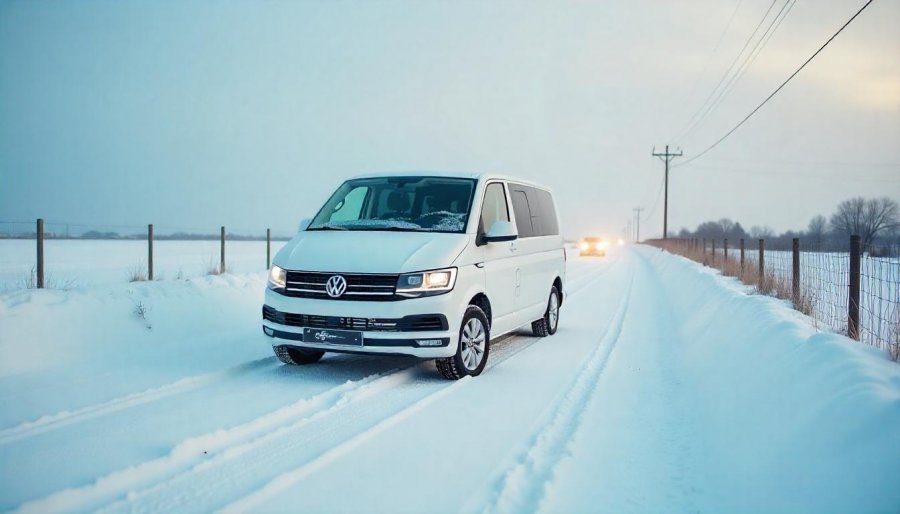
The Rising Consensus: How Modern Drivers and Authorities Embrace Winter Tires
Today, the importance of winter tires is widely recognized among drivers, manufacturers, and transportation authorities alike. For many who face cold, icy conditions regularly, winter tires are no longer seen as optional but as a crucial safety feature. Advances in tire technology over recent years have made winter tires more effective, more accessible, and increasingly essential for safe driving during the colder months. As a result, their reputation has shifted from a seasonal luxury to a practical necessity, especially in regions where winter weather can be unpredictable and severe.
Automotive brands actively promote winter tires as a vital upgrade for winter driving. Their marketing emphasizes real-world testing and performance data, demonstrating how vehicles equipped with winter tires outperform those with all-season options on icy and snowy roads. This messaging has helped reshape perceptions, making it clear that investing in proper tires can significantly boost safety. Many car dealerships and tire shops now offer seasonal tire packages and incentives, further encouraging drivers to make the switch and prioritize safety over convenience or cost savings.
Transport agencies across many countries have also taken a firm stance on the use of winter tires, especially in areas prone to icy conditions. Laws and regulations in places like Canada, northern Europe, and parts of the northern United States mandate or strongly recommend their use during designated winter months. These policies are backed by substantial research showing that winter tires reduce accidents and improve overall road safety during winter storms. By making winter tires part of legal requirements, authorities aim to protect not just individual drivers but everyone on the roads, reducing the societal costs associated with winter accidents.
While the support for winter tires is strong, some remain skeptical, particularly in milder climates where winters are less harsh. Critics question whether the added expense and inconvenience of seasonal tire changes are justified when winter conditions are infrequent or mild. However, data consistently show that in regions with regular cold snaps, icy patches, or snow, vehicles without winter tires are far more likely to be involved in accidents. The safety benefits—shorter stopping distances, better steering, and increased control—often outweigh the costs, especially considering the potential medical or property damage expenses resulting from winter crashes.
Public perception continues to evolve as more drivers share their positive experiences with winter tires. Personal stories and safety statistics are increasingly common in media and community discussions, helping to dispel outdated myths about their necessity. Many now see winter tires as an investment in safety and peace of mind, rather than an unnecessary expense. Education campaigns and awareness initiatives further reinforce this shift, highlighting how proper tire choice adapts to specific climates and driving conditions, ultimately saving lives.
Manufacturers are pushing this trend further by innovating with new materials and designs tailored specifically for winter performance. Smarter rubber compounds and tread patterns are being developed to enhance grip, durability, and ice resistance. Some companies are exploring integrated safety systems that work alongside winter tires to optimize traction and stability, reflecting a broader commitment to proactive safety measures. These technological improvements make winter tires more reliable and appealing, reinforcing their role as a fundamental component of winter driving safety.
This evolving landscape indicates that winter tires are no longer a niche product but part of mainstream vehicle safety practices. As more drivers understand the tangible benefits—reduced accident risk, improved control, and shorter stopping distances—they’re more likely to invest in them. Governments and industry players continue to promote their use, driven by the clear safety advantages and technological advancements. With each winter season, the message becomes more ingrained: winter tires are a smart, effective way to stay safer when the weather turns cold and icy.