Imagine transforming your business communication into a strategic advantage through customized telephony solutions—are you truly leveraging the full potential of devices like Grandstream’s innovative IP phones? As organizations seek to streamline operations and elevate customer experiences, tailored setups that align with specific workflows and growth plans become essential. From retail to healthcare, personalized systems optimize call routing, improve internal collaboration, and enhance responsiveness. But deploying such solutions isn’t just about adding features; it requires careful planning, centralized management, and adherence to industry standards. The future of telephony promises even greater integration, driven by AI, IoT, and 5G, creating smarter, more adaptable networks. Can your business stay ahead in this rapidly evolving landscape, or will outdated systems hinder growth? Embracing these advancements transforms communication from a necessity into a competitive edge—making organizations more resilient, agile, and customer-focused in an increasingly digital world.
Transforming Business Communication with Customized Telephony Solutions
Customized telephony solutions are transforming how businesses communicate, turning standard phone systems into strategic tools that support operational goals. Instead of relying on generic setups, companies can tailor their communication infrastructure to match their unique workflows, customer expectations, and growth plans. This customization ensures that every call, message, and interaction is optimized for efficiency and impact, leading to faster response times and higher customer satisfaction.
Moving from basic systems to personalized solutions involves more than just adding features. It’s about designing a communication network aligned with your specific needs. For instance, a retail chain might prioritize quick call routing to connect customers with the right department instantly, while a consulting firm may focus on seamless integration with project management tools. Tailored configurations help streamline internal processes and improve how organizations engage with clients.
Implementing such systems requires careful planning and understanding of current workflows. Assessing pain points and operational bottlenecks enables you to select devices and features that genuinely support your objectives. Modern solutions like Grandstream’s IP phones are built with flexibility in mind, allowing easy customization of settings such as programmable keys, user interfaces, and integration options. Centralized management platforms, like GDMS, make deploying and maintaining these systems simpler by enabling remote configuration, updates, and monitoring.
Adopting customized telephony is not a one-time effort but an ongoing process. Regular performance reviews, system updates, and network optimizations ensure your communication infrastructure keeps pace with changing business needs. Proper network setup—like Quality of Service (QoS) and VLAN configurations—maintains high call quality and system stability during busy periods. Continuously fine-tuning your system maximizes its benefits and supports long-term growth.
Ultimately, personalized telephony solutions turn communication from a basic necessity into a competitive advantage. They enable businesses to serve customers better, adapt swiftly to market changes, and operate more efficiently. As technology evolves, investing in tailored systems ensures your organization remains agile, resilient, and ready to meet future challenges head-on.
Grandstream Devices: Powering Flexible and Scalable Telephony Systems
Grandstream offers a comprehensive lineup of telephony endpoints that are central to building customized communication systems. From simple desk phones to advanced IP devices, their range is designed for flexibility and scalability, making it easy for businesses of all sizes to craft solutions tailored to their specific needs. These devices support features like programmable keys, customizable interfaces, and seamless integration with other business tools, ensuring each unit serves a clear purpose within the broader communication infrastructure.
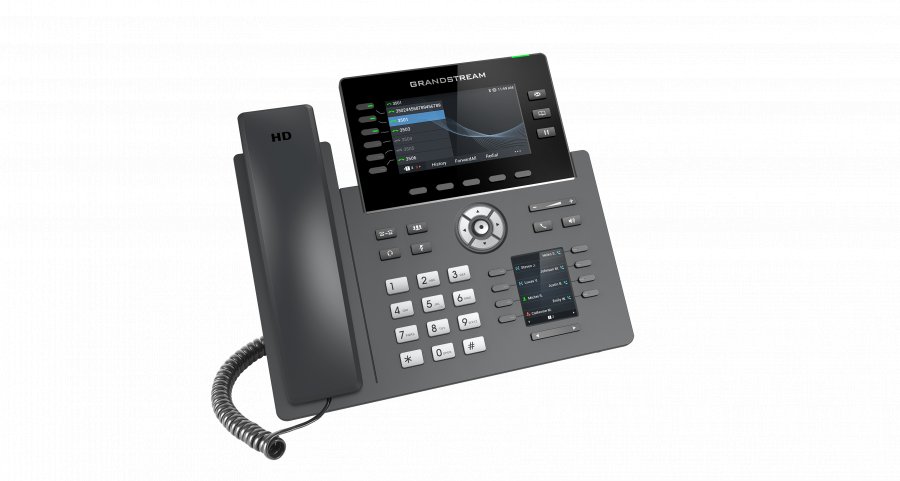
The flagship GRP Series exemplifies Grandstream’s commitment to quality and adaptability. Built for mass deployment, these carrier-grade phones deliver durability, high-definition audio, and extensive call management capabilities. Their modular design allows for quick customization, supporting environments from retail stores to call centers and corporate offices. High-resolution displays and broad-band audio facilitate crystal-clear communication, while compatibility with cloud provisioning and centralized management through Grandstream’s Device Management System (GDMS) simplifies both deployment and ongoing maintenance.
One of Grandstream’s key strengths is the compatibility of its devices with cloud-managed telephony solutions. This setup enables organizations to remotely configure, update, and monitor thousands of endpoints from a single platform. Centralized control reduces the need for on-site technical work, accelerates deployment, and ensures consistency across multiple locations. Automatic firmware updates and real-time analytics help maintain optimal system performance and security, keeping communication networks resilient and up-to-date with minimal disruption.
Network performance is critical to the success of these customized solutions. Grandstream’s endpoints are engineered to operate smoothly over optimized networks, with features like Quality of Service (QoS) and VLAN support that prioritize voice traffic. Whether connected via Ethernet or Wi-Fi, these devices deliver reliable, high-quality calls even during peak usage periods. Proper network configuration enhances both call quality and system stability, ensuring a seamless user experience.
Managing large-scale deployments is straightforward with Grandstream’s scalable solutions. Using centralized management tools like GDMS, administrators can remotely configure, provision, and monitor hundreds or thousands of devices. Pre-programmed settings can be pushed to units before deployment, enabling quick rollouts and consistent configurations. This level of control supports organizational growth and system upgrades, making it easier than ever to expand or adapt communication infrastructure without sacrificing reliability or performance.

Strategic Implementation of Tailored Telephony Systems for Optimal Performance
Implementing customized telephony solutions successfully depends on following best practices that ensure a smooth and efficient deployment. Start by conducting a thorough needs assessment to pinpoint your organization’s specific communication requirements, workflows, and pain points. This clarity guides you in selecting the right devices, features, and configurations, making the entire process more targeted and effective.
Using centralized management tools like Grandstream’s Device Management System (GDMS) simplifies deployment. Instead of configuring each device individually on-site, administrators can remotely set up, update, and monitor hundreds or even thousands of endpoints. This approach saves time, minimizes errors, and guarantees consistency across multiple locations, whether you’re scaling up or rolling out new features.
Adherence to industry standards such as SIP is crucial for ensuring interoperability. This compatibility allows your customized setup to integrate seamlessly with existing platforms and future upgrades, providing a scalable, future-proof foundation. Proper network planning—especially Quality of Service (QoS) settings and VLAN configurations—prioritizes voice traffic, preventing disruptions and maintaining high call quality during busy periods.
Before a full rollout, running pilot programs can identify potential issues like compatibility glitches or security vulnerabilities. Testing in a controlled environment allows for adjustments without risking operational downtime. Training staff on new features and processes ensures they understand how to use the system effectively, reducing misconfigurations and maximizing the benefits of your customized setup.
Security remains a critical element. Implement strong passwords, enable encryption, and keep firmware updated to guard against cyber threats. Regular security audits and system reviews help maintain a resilient communication infrastructure, minimizing downtime and protecting sensitive information.
Managing ongoing performance involves continuous monitoring, performance analytics, and timely updates. Staying informed about new features and evolving standards enables your organization to adapt quickly, keeping your telephony system reliable, secure, and aligned with growth objectives.
Effective implementation is a blend of strategic planning, technical precision, and ongoing management. By following these best practices, your tailored telephony system will not only meet current operational needs but also provide the flexibility to evolve with your business, ensuring long-term communication efficiency and resilience.
Real-World Success: Practical Applications of Customized Telephony in Various Industries
Customized telephony systems are proving their worth across a wide range of industries by directly addressing specific operational challenges. In retail, for example, stores implement auto-routing features that connect customers instantly to the right department or staff member, reducing wait times and enhancing the shopping experience. This targeted approach not only boosts customer satisfaction but also allows employees to focus on core responsibilities without being interrupted by unnecessary calls.
Healthcare providers also benefit from tailored systems that handle appointment reminders, patient inquiries, and emergency calls more efficiently. These setups help keep patients informed and engaged, freeing up staff to prioritize urgent cases. Customer support centers rely heavily on customized auto-attendants and CRM integrations, ensuring high call volumes are managed smoothly and callers reach the right agents quickly, minimizing frustration and wait times.
Remote teams gain significant advantages from personalized telephony setups by configuring features like direct lines, speed dial buttons, and quick-access options. These enhancements facilitate seamless internal communication across locations, enabling faster problem resolution and maintaining productivity outside traditional office environments. Such tailored solutions support flexible work arrangements, helping organizations stay connected and responsive regardless of where employees are based.
Deploying these systems requires thoughtful planning rather than just adding features. Centralized management tools like Grandstream’s GDMS enable administrators to remotely configure, monitor, and update hundreds or thousands of devices simultaneously. This simplifies scaling operations, ensures uniformity across multiple sites, and accelerates deployment of new features or upgrades. Regular system monitoring and adjustments keep communication channels reliable, secure, and aligned with evolving organizational needs.
These real-world applications highlight that customized telephony isn’t just about technology—it’s about transforming communication into a strategic asset. By tailoring setups to meet specific operational demands, organizations can streamline workflows, improve customer interactions, and operate more efficiently. As business environments continue to evolve, flexible, personalized systems will remain essential for maintaining a competitive edge and ensuring long-term success.

Shaping the Future: Trends and Innovations in Customized Telephony
The future of customized telephony is set to be shaped by rapid technological advances that will make communication systems smarter, more interconnected, and highly adaptable. Artificial intelligence will play a bigger role, enhancing features like call routing, voice recognition, and even real-time language translation. This evolution will allow businesses to deliver more personalized, efficient interactions, improving both customer experience and internal workflows.
At the same time, the proliferation of the Internet of Things (IoT) promises a more integrated ecosystem where devices, sensors, and applications communicate seamlessly. Imagine a setup where your phone, office equipment, and remote systems share data and automate routine tasks. This level of integration offers a holistic view of operations, enabling quicker decisions and smoother processes, ultimately boosting productivity.
Cloud platforms will continue to lead the way, offering scalable, flexible environments that adapt as organizations grow or shift priorities. As remote and hybrid work models become the norm, cloud management simplifies deployment, updates, and maintenance. Automatic firmware updates and real-time analytics keep systems secure and performing optimally, minimizing disruptions and ensuring continuity.
The rollout of 5G networks will significantly enhance this landscape with higher call quality, lower latency, and the ability to handle complex, data-rich communication features. High-definition video conferencing, advanced auto-attendants, and real-time analytics will become more accessible and customizable. This increased bandwidth will support rapid scaling of telephony solutions, allowing organizations to adapt swiftly without sacrificing performance.
Looking ahead, the organizations that embrace these innovations will unlock new levels of responsiveness and agility. Investing in open standards and modular devices will make upgrades and integrations easier, ensuring their communication infrastructure remains future-proof. A focus on continuous improvement and innovation will be essential for staying ahead of ever-evolving customer expectations and technology trends.
As these trends unfold, personalized, intelligent telephony will become central to how businesses communicate, collaborate, and serve their customers. Staying proactive and adaptable will be crucial, enabling organizations to leverage future-ready tools to foster growth and resilience. Those who do will find their communication systems transforming into strategic assets—driving efficiency, enhancing service, and supporting long-term success in an increasingly digital world.