While Cleopatra VII is often remembered for her beauty and dramatic romances, her true legacy lies in her exceptional intellect, strategic mastery, and diplomatic finesse. Born into a court that prized knowledge and cultural exchange, she mastered multiple languages and supported scholarly pursuits, transforming herself into a formidable scholar-queen. Her ability to forge alliances through cultural fluency and diplomacy—rather than force—demonstrates that power resides in wisdom, resilience, and adaptability. This portrayal challenges outdated stereotypes, emphasizing that leadership rooted in mental agility and strategic insight can leave an indelible mark on history. Could her influence be a testament to the enduring power of intellect over superficial allure? Cleopatra’s story encourages modern leaders, especially women, to prioritize education, cultural understanding, and resilience, proving that true leadership is a deliberate cultivation of knowledge and strategic foresight—a lesson as relevant today as it was in her time.
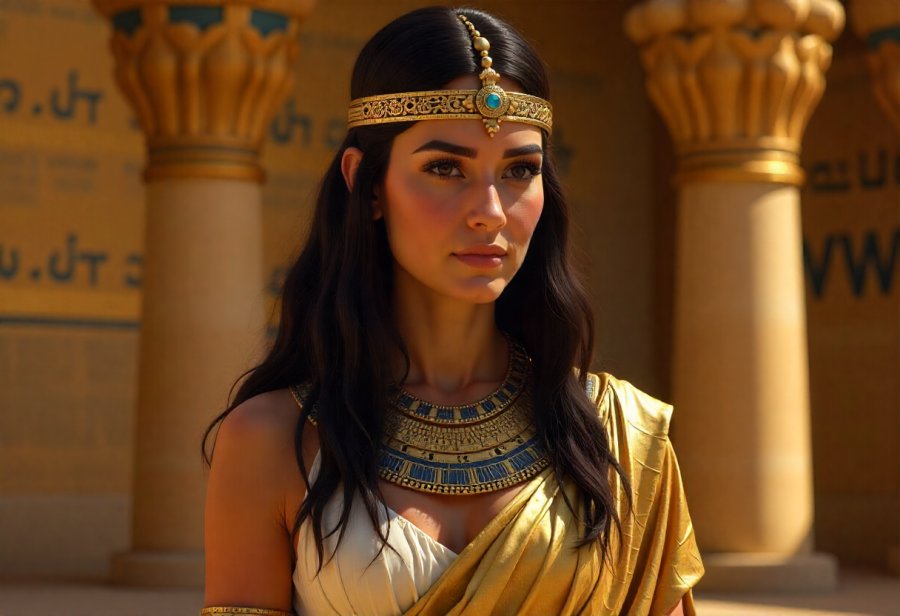
Unveiling Cleopatra VII: The Mind Behind the Myth
Cleopatra VII is often remembered for her beauty and dramatic romances, but her true strength lay in her sharp mind and political skill. She was a ruler who understood that power wasn’t just about appearances; it was about strategy, diplomacy, and intelligence. Her reign as the last active pharaoh of Egypt was marked by her ability to navigate a turbulent political landscape with wit and foresight. Cleopatra knew how to leverage her knowledge and cultural savvy to maintain her independence amid Rome’s expanding influence.
Born into the Macedonian Greek Ptolemaic dynasty, Cleopatra’s early years were shaped by a court that highly valued education and diplomacy. Growing up in Alexandria, she was surrounded by scholars, philosophers, and court officials who emphasized learning and cultural exchange. From a young age, she mastered multiple languages—including Greek, Egyptian, and Latin—giving her the tools to communicate directly with foreign leaders and scholars. This linguistic fluency became a core part of her diplomatic arsenal.
Her childhood was characterized by rigorous education, covering politics, philosophy, sciences, and history. Encouraged to think critically, she was taught to understand the broader world beyond her immediate surroundings. Her teachers, drawn from diverse backgrounds, expanded her intellectual horizons and sharpened her strategic thinking. This solid foundation prepared her for the challenges of leadership, enabling her to assert authority early on and navigate court rivalries with confidence.
Her dual heritage—Greek and Egyptian—offered her a unique perspective. She was able to blend Hellenistic traditions with Egyptian customs, creating a diplomatic style rooted in cultural fluency. Her ability to speak multiple languages allowed her to forge direct relationships with foreign dignitaries, avoiding miscommunications and building trust through personal engagement. This cultural mastery was more than a skill; it was a strategic advantage that helped her craft alliances resonating across different societies.
Throughout her formative years, Cleopatra’s passion for knowledge extended beyond politics. She supported the Library of Alexandria and was deeply interested in sciences, literature, and philosophy. Her dedication to scholarship reflected her belief that wisdom was a vital source of power. By fostering learning and cultural exchange, she strengthened her leadership, demonstrating that intelligence and resilience were essential tools for navigating turbulent times.
Cleopatra’s early experiences laid the groundwork for her later successes. Her education, multilingual abilities, and cultural awareness gave her a strategic edge. She learned to see beyond immediate threats, planning long-term solutions that kept her one step ahead of rivals. Her upbringing in a court that celebrated knowledge and diplomacy became the foundation of a leadership style rooted in wisdom, resilience, and adaptability.
In many ways, Cleopatra emerged as a ruler who valued intellect as much as authority. Her early years weren’t just preparation—they were a deliberate cultivation of the skills that would define her entire reign. Her ability to adapt, her curiosity about the world, and her mastery of languages and ideas made her a leader whose influence extended far beyond her time. Cleopatra’s early life set her on a path to become a brilliant strategist and a formidable diplomat, shaping her legacy as one of history’s most intelligent and resilient leaders.
Foundations of Power: Cleopatra’s Roots and Early Education
Cleopatra VII’s origins trace back to the Macedonian Greek Ptolemaic dynasty that took control of Egypt following Alexander the Great’s empire. Born around 69 BCE in Alexandria, she grew up immersed in a court that highly valued education, diplomacy, and cultural exchange. Her family’s emphasis on learning shaped her worldview early on, blending Hellenistic traditions with Egyptian customs to create a unique cultural identity.
From a young age, Cleopatra was encouraged to pursue a broad and rigorous education. She studied politics, philosophy, sciences, and history, often under the guidance of scholars and philosophers from diverse backgrounds. This intellectual foundation sharpened her critical thinking and strategic mindset, preparing her for the complexities of leadership. Her teachers emphasized not just knowledge, but the importance of understanding the wider world beyond the palace walls.
Mastering multiple languages—Greek, Egyptian, and Latin—became a core part of her skill set. This linguistic fluency allowed her to communicate directly with foreign dignitaries, scholars, and officials, bypassing intermediaries and building trust through personal engagement. It was a diplomatic advantage that helped her craft alliances and navigate international politics with confidence and precision.
Her childhood was marked by a love of learning and curiosity about the world. This curiosity extended beyond politics to sciences, literature, and philosophy. She supported the Library of Alexandria, recognizing that knowledge was a vital source of power. Her dedication to scholarship reflected her belief that wisdom and intelligence could be as influential as military strength, shaping her leadership style from the outset.
At the age of just a teenager, Cleopatra faced the challenge of asserting her authority after her father’s death. Her education and cultural awareness gave her the confidence and tools to navigate court rivalries and secure her position. She relied on her strategic insight and diplomatic skills rather than force, demonstrating her innate ability to lead with intelligence and resilience.
Her dual heritage—Greek and Egyptian—offered her a distinct advantage. She blended Hellenistic and Egyptian traditions, creating a diplomatic style rooted in cultural fluency. Her ability to speak multiple languages and understand different customs allowed her to foster trust and build alliances across diverse societies, reinforcing her authority and influence.
Throughout her formative years, Cleopatra’s passion for knowledge and cultural exchange laid the groundwork for her future successes. Her education, multilingual skills, and curiosity about the broader world gave her a strategic edge. These experiences helped her see beyond immediate threats, planning long-term solutions that would secure her reign and Egypt’s independence.
In essence, Cleopatra’s early life was a deliberate cultivation of the skills that would define her as a leader. Her upbringing in a court that celebrated learning and diplomacy became the foundation of a leadership approach rooted in wisdom, resilience, and adaptability. These qualities enabled her to navigate turbulent political waters and leave a lasting legacy as one of history’s most intelligent and resilient rulers.
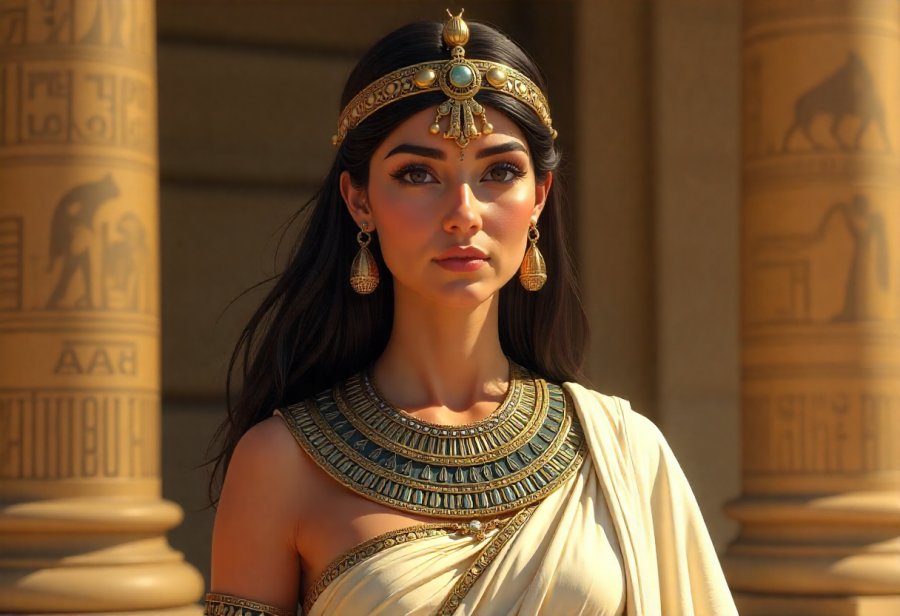
Mastermind of Diplomacy and Scholarship: Cleopatra’s Strategic Genius
Cleopatra’s mastery extended well beyond her political maneuvers into a realm of scholarly pursuit and diplomatic finesse that defined her leadership. Her fluency in multiple languages—Greek, Egyptian, Latin, and others—was more than a linguistic skill; it was a deliberate strategic tool. Speaking directly with foreign leaders, scholars, and officials allowed her to communicate her intentions clearly, build trust, and avoid misinterpretations that often hampered diplomatic efforts. This direct engagement elevated her credibility and showcased her as a culturally sophisticated ruler who understood and respected different traditions, strengthening her influence across diverse societies.
Her deep involvement with sciences, literature, and philosophy reflected her core belief that knowledge was a vital source of power. Cleopatra invested in the Library of Alexandria, transforming it into a hub of intellectual exchange and innovation. She recognized that a well-informed ruler could better anticipate threats and identify opportunities, making her governance more effective. Patronage of scholars and scientists was a strategic move to bolster her image as a leader who valued wisdom as much as authority. Her leadership was rooted in the conviction that intellectual growth and cultural exchange could expand her influence far beyond military might.
Strategically, Cleopatra’s ability to forge alliances was a testament to her sharp mind. Her relationship with Julius Caesar was a calculated move designed to stabilize her throne and secure military backing. She understood the importance of timing, cultural sensitivity, and personal diplomacy—skills that helped her earn trust and sway powerful figures without resorting to force. Her adaptability—whether through marriage, political negotiation, or cultural engagement—kept her steps ahead of rivals and ensured her survival in a volatile world. Ancient sources like Plutarch praise her wit and sophistication as key elements in her influence over Roman leaders and court factions.
Despite her brilliance, her methods drew criticism. Some argue her alliances with Caesar and Antony were driven more by personal ambition than strategic foresight, and her reliance on diplomacy sometimes left Egypt vulnerable. Still, her resilience in navigating these challenges highlights her exceptional strategic mindset. She knew that leadership required constant adaptation and mental toughness, qualities that allowed her to turn crises into opportunities and maintain her reign against overwhelming odds.
Today, Cleopatra’s story reminds us that true leadership hinges on mental strength, cultural intelligence, and strategic insight. Her ability to blend scholarship, diplomacy, and resilience created a legacy that transcends her era. Her example shows that influence is rooted in knowledge and adaptability—traits that remain essential for navigating today’s complex world. Her life underscores that leadership isn’t just about power; it’s about the continuous pursuit of wisdom, cultural understanding, and resilience—elements that define truly enduring influence.
Lessons from a Female Leader: Modern Inspirations from Cleopatra’s Leadership
Cleopatra’s leadership offers lessons that remain highly relevant today, especially for women stepping into positions of power. Her ability to combine intelligence, strategic thinking, and resilience challenges outdated stereotypes that leadership hinges solely on charisma or superficial charm. Instead, Cleopatra demonstrated that true influence comes from mental agility, cultural awareness, and the capacity to adapt to shifting circumstances. Modern leaders can learn from her skill in forging strategic alliances and understanding cultural nuances—elements that turn complex challenges into opportunities for growth and stability.
Her alliances with Julius Caesar and Mark Antony weren’t just personal or romantic—they were carefully calculated moves designed to protect Egypt’s sovereignty and long-term interests. Cleopatra recognized the importance of timing, cultural sensitivity, and personal diplomacy, which helped her earn trust and sway powerful figures without relying on force. Today’s leaders, especially women navigating male-dominated environments, can see her as a model for how informed diplomacy and strategic relationships often prove more effective than superficial charm or force.
Facing internal rivalries and external threats, Cleopatra displayed remarkable resilience and political agility. She constantly adjusted her tactics, balancing internal dissent with external pressures from Rome. Her unwavering focus on preserving Egypt’s independence underscores the importance of staying adaptable in turbulent times. Her leadership proves that perseverance and mental toughness are as crucial as authority or charisma, teaching modern leaders that resilience often determines long-term success.
Cleopatra’s emphasis on education, cultural exchange, and knowledge-driven leadership remains strikingly relevant today. She understood that understanding different perspectives and fostering intellectual growth could strengthen leadership and influence. Her support for the Library of Alexandria and her engagement with scholars highlight the power of cultural intelligence. For contemporary leaders, especially women breaking into leadership roles, her example underscores the importance of lifelong learning and cultural sensitivity as essential tools for effective governance.
Her legacy also challenges the misconception that leadership is rooted solely in superficial qualities. Cleopatra’s story shows that influence and authority come from a combination of intellect, strategic insight, and resilience. These qualities enable leaders to navigate crises, build lasting alliances, and leave a meaningful mark. Her example encourages today’s leaders to prioritize mental agility and adaptability, viewing challenges as opportunities rather than obstacles.
Furthermore, Cleopatra’s ability to maintain her independence amid a male-dominated world underscores the importance of confidence and strategic foresight. She refused to be defined solely by her beauty or her relationships, instead emphasizing her intelligence and political acumen. This approach offers a powerful blueprint for women today seeking to assert their influence and lead with purpose, proving that leadership rooted in strength of mind is timeless.
In a rapidly changing world, her leadership illustrates that influence is built through continuous learning, cultural understanding, and resilience. Her story inspires a reevaluation of leadership qualities, emphasizing that wisdom, adaptability, and strategic insight are more vital than superficial appearances. By embracing these principles, contemporary leaders can forge paths that are both effective and enduring, shaping history not by chance but through deliberate, intelligent action.
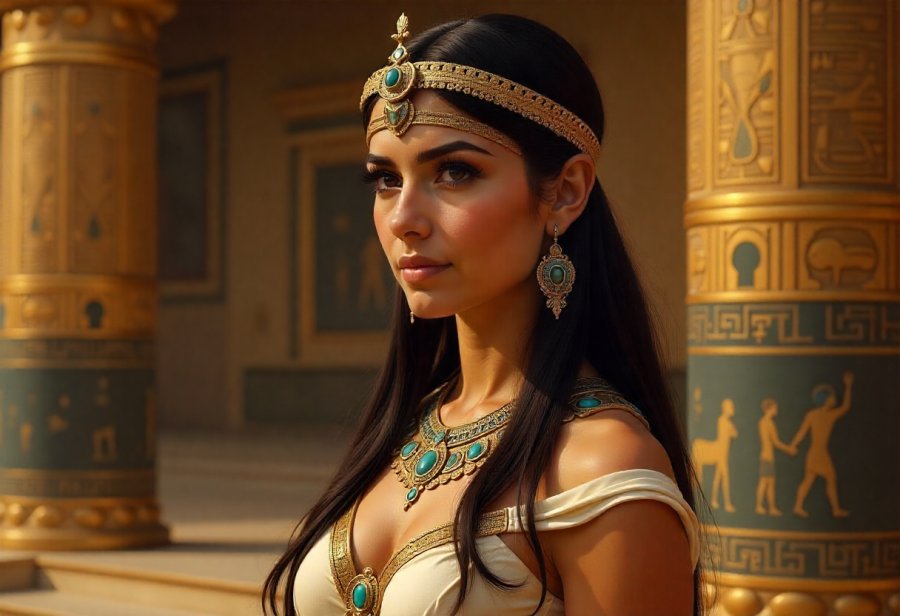
Legacy and Tomorrow: Reimagining Cleopatra’s Enduring Influence
Cleopatra’s legacy endures because she exemplified the power of intellect, resilience, and strategic leadership. Today, many see her not just as a romantic figure or a symbol of beauty, but as a pioneering leader who used knowledge and diplomacy to navigate one of history’s most turbulent eras. Her ability to adapt to shifting political landscapes, forge powerful alliances, and support cultural and scholarly pursuits shows that her true strength lay in her mind. This perspective challenges outdated stereotypes, emphasizing that leadership rooted in wisdom and mental agility can leave a lasting mark.
Modern scholarship continues to reshape her story, highlighting her as a symbol of female leadership and strategic thinking. Her mastery of language, her diplomatic finesse, and her support of scientific and cultural institutions reveal a leader who understood that influence comes from knowledge and resilience. Her story encourages contemporary leaders—especially women—to prioritize intelligence, adaptability, and resilience over superficial qualities. In a world full of complex challenges, her example reminds us that mental strength and strategic insight are timeless tools for lasting impact.
Cleopatra’s ability to forge alliances, manage internal court rivalries, and withstand external threats demonstrates that effective leadership involves more than force; it requires insight, patience, and cultural awareness. Her resilience in the face of adversity shows how staying focused on long-term goals can turn setbacks into opportunities. Her leadership was not accidental but a carefully crafted blend of intelligence and perseverance, qualities that continue to inspire those seeking to lead with purpose and integrity. Her story proves that true influence is built from the inside out—through knowledge, resilience, and strategic foresight.
Looking ahead, Cleopatra’s story offers valuable lessons for today’s leaders. Her emphasis on continuous learning, cultural sensitivity, and strategic thinking remains as relevant as ever. As more women step into positions of influence worldwide, her example serves as a reminder that leadership is not confined by gender or superficial appearances but is fundamentally rooted in mental agility and resilience. Her legacy encourages us to view leadership as a deliberate pursuit of wisdom, adaptability, and strength—qualities that can transform challenges into opportunities and shape history with purpose.
Ultimately, Cleopatra’s life challenges us to rethink what it means to be a great leader. Her story underscores that influence and impact come from cultivated intelligence and unwavering resilience. It is a call to prioritize the development of strategic insight and cultural understanding, qualities that withstand the test of time. By embracing her example, modern leaders can forge paths of lasting significance, proving that the most powerful leadership derives from a well-trained mind and a resilient spirit—traits that continue to shape history long after the throne has faded.