Underground street racing is more than a thrill of speed; it’s a hidden world where bonds of loyalty, trust, and brotherhood are forged amid roaring engines and neon-lit nights. These clandestine races, rooted in decades of rebellion and community, cultivate relationships that extend far beyond the asphalt—mentorships, friendships, and support networks that help members navigate urban adversity. As engines rev and headlights cut through darkness, racers share a collective identity built on respect, collaboration, and shared risks, transforming fleeting adrenaline into lifelong connections. But how do these bonds impact lives beyond racing? From personal growth to entrepreneurship, many find stability and purpose through their tight-knit communities. Despite their rebellious reputation, these scenes operate with a code of safety and discretion, illustrating how loyalty and resilience can flourish in shadows. Could this subterranean culture hold the key to forging stronger, more unified communities?
Deep Bonds Forged in Shadows: The Heart of Underground Street Racing
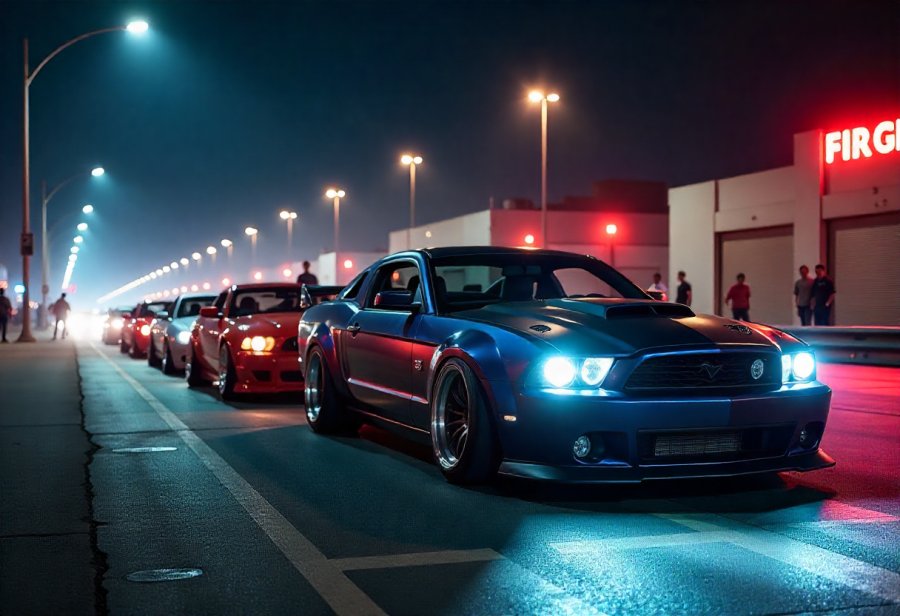
Underground street racing goes beyond just the rush of speed and horsepower; it’s a world where bonds are forged in the shadows. Every night, hidden spots like abandoned lots and quiet backstreets become the stage for a community built on trust, loyalty, and shared passion. These races often start as simple challenges among friends but quickly evolve into rituals that deepen connections. Behind the roar of engines and the flicker of streetlights, racers find a sense of belonging among others who understand the thrill of pushing limits and the importance of respect.
In this clandestine scene, camaraderie is just as vital as the cars themselves. Racers spend countless hours tuning and customizing their vehicles—not just to stand out but to express their personality and pride. These shared efforts create a bond rooted in collaboration, where helping each other improve and sharing tips strengthens relationships beyond the asphalt. The community’s loyalty is evident in how members look out for one another, whether it’s sharing resources or offering support during tough times.
Night racing elevates this sense of brotherhood, with the darkness acting as a unifying backdrop. When engines rev and headlights cut through the night, it’s as if the outside world pauses, leaving only the shared experience of adrenaline and trust. These moments strip away superficial differences, revealing a core of loyalty and mutual respect. Whether it’s a rookie being mentored or a veteran celebrating a victory, each interaction adds another layer to the deep bonds that define this scene.
What makes underground racing truly special is how these relationships extend beyond the streets. Many racers find mentorship, friendship, and emotional support that help them navigate urban challenges. The community becomes a source of resilience, where shared risks and victories create lifelong ties. Conflicts are often resolved through dialogue and mutual understanding, reinforcing the trust that keeps the scene resilient amid external pressures.
Ultimately, underground street racing is more than a rebellious activity; it’s a social fabric woven from late-night sessions, shared secrets, and unwavering loyalty. These bonds turn fleeting adrenaline rushes into lasting relationships. They foster a sense of brotherhood that helps individuals face life’s obstacles with strength and resilience, making the scene a true community—one built on speed, trust, and an unbreakable connection.
From Parking Lots to Cultural Phenomenon: The Origins and Evolution of Street Racing
Underground street racing has roots that stretch back decades, emerging from small gatherings of car enthusiasts eager to test their skills away from the watchful eyes of authorities. In those early days, racers would meet in quiet parking lots, deserted streets, or abandoned industrial areas—places where the thrill of speed could unfold without interference. These informal events grew as more people caught the bug for pushing cars to their limits and sought a sense of community in the process. Over time, these clandestine races developed their own customs, language, and rituals, forging a subculture built on skill, loyalty, and rebellion.
The scene’s popularity surged with the influence of movies like “The Fast and the Furious,” which glamorized street racing and added a layer of danger and excitement. This exposure drew in new participants eager for adrenaline and defiance, transforming secret meetups into organized underground networks. Within these groups, racers shared tips, modified their cars, and competed in a culture rooted in craftsmanship and mutual respect, even as they operated outside the law.
For many involved, street racing became more than just a way to satisfy a need for speed. It evolved into a form of self-expression—where custom paint jobs, bold modifications, and sleek designs became symbols of identity. Vehicles were seen not merely as transportation but as moving canvases, showcasing creativity and pride. Tuning and customizing cars became shared rituals, strengthening bonds through collaboration and shared goals, giving racers a sense of standing out and earning recognition both on the streets and within their community.
Social structures within these underground scenes often revolve around crews or groups that organize races and protect territory. Experienced racers pass down unspoken rules, safety practices, and tricks of the trade to newcomers, creating a mentorship culture that emphasizes loyalty and trust. These relationships extend beyond racing, forming lifelong friendships and emotional support networks amid urban adversity. The bonds formed through shared risks—whether risking legal trouble or physical danger—are the foundation of a resilient community.
Despite their rebellious reputation, many underground racing communities maintain a code focused on safety and discretion. Racers choose quiet, less populated spots for their events and avoid racing during busy hours to prevent accidents and legal issues. Norms like vehicle checks, spotters, and signals help ensure everyone’s safety, while secrecy and trust are vital for their survival. Members guard their locations and details carefully, knowing that confidentiality sustains the scene.
Over the years, what started as simple, illegal gatherings has grown into a vibrant subculture rooted in skill, loyalty, and brotherhood. This evolution reflects a broader cultural movement—an expression of urban identity and resistance—that values community and pushing boundaries. The history of underground racing reveals how rebellion can evolve into a form of collective resilience, built on trust, respect, and shared passion.
Today, these scenes continue to thrive, with relationships that extend beyond the streets. They serve as sources of mentorship, friendship, and stability, helping members navigate urban challenges. The bonds formed here often lead to personal growth, better opportunities, and a sense of belonging—proof that even in shadows, communities can forge powerful, lasting connections.
Speed, Trust, and Loyalty: The Emotional Ties That Bind Racer Brotherhoods
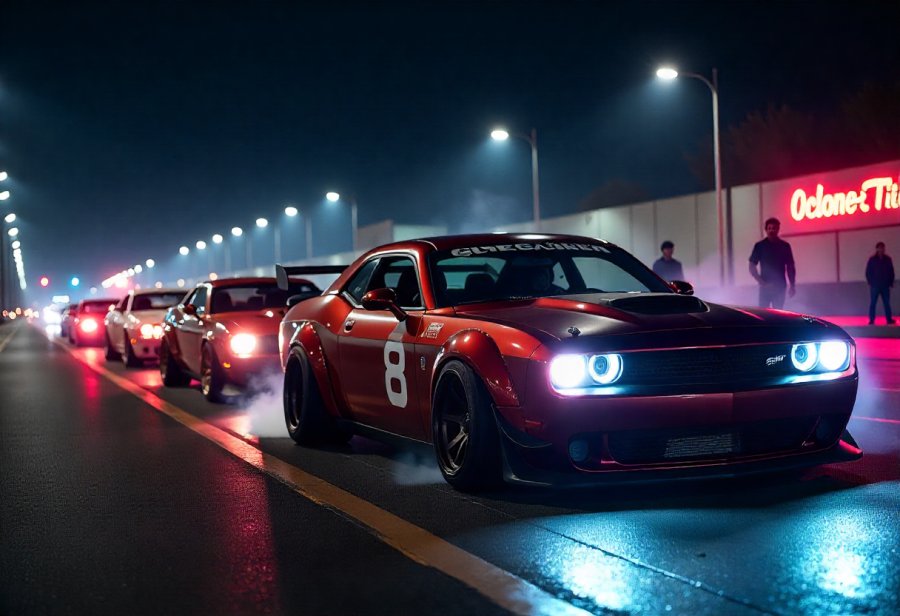
Street racing isn’t just about the thrill of hitting top speeds; it’s about the relationships that grow from shared adrenaline and late-night grind. Those moments spent tuning engines, nervously lining up for a race, or celebrating a hard-won victory forge bonds that go far beyond asphalt. Trust and respect are built through these experiences, creating friendships rooted in mutual reliance. When a rookie is mentored by a seasoned racer or a crew celebrates a win together, it’s clear these connections are deep and lasting, often outliving the races themselves.
Night races, in particular, bring a strong sense of unity. Under the dark sky, racers leave behind their daily worries and find something bigger—an unspoken bond that everyone will race fair and watch each other’s backs. Engines roar, headlights cut through the darkness, and shared moments of anticipation turn into a brotherhood. Darkness seems to strip away ego and superficial differences, revealing a core of loyalty and trust that binds everyone together. Each close call, each victory, reinforces this sense of belonging, creating a web of emotional ties.
Loyalty among crew members often feels like family. These relationships are forged through shared risks—whether risking legal trouble or physical danger—and countless hours spent working on cars or supporting each other through personal struggles. When setbacks happen, whether a mechanical failure or a dispute, members step in, reinforcing their bonds and emphasizing that they’re part of something bigger. Over time, this loyalty shapes their identity, helping the community stay resilient even when external pressures threaten to divide them.
Mentorship plays a vital role in strengthening these emotional connections. Experienced racers take newcomers under their wing, passing down unspoken rules, safety tips, and tricks of the trade. This isn’t just about technical knowledge; it’s about earning trust and respect through patience and shared effort. As these bonds deepen through late-night tuning sessions and collective victories, they evolve into lifelong friendships. These relationships become a support system that extends well beyond the street, built on shared memories and mutual growth.
Celebrating wins, big or small, cements these emotional ties. Whether cracking open a cold drink after a successful race or exchanging stories of near-misses, these rituals reinforce a sense of shared achievement. Even setbacks serve as bonding moments, rallying the crew to support each other through adversity. This ongoing cycle of trust and shared experience weaves a fabric of loyalty that sustains the scene. The bonds forged through speed and risk become a foundation for resilience, brotherhood, and a community that thrives on connection.
Mind Games and Mutual Trust: The Psychological Forces Shaping Racing Communities
In underground racing communities, the mental and emotional bonds are just as crucial as the cars themselves. Shared experiences—whether it’s late-night tuning, close calls on the street, or celebrating a hard-fought victory—foster a deep sense of trust and camaraderie. These routines and rituals develop over time, creating a foundation of loyalty that extends beyond the asphalt. When a newcomer is mentored by an experienced racer, it’s about more than technical guidance; it’s about building confidence and trust through patience and shared effort. These relationships become the core of a close-knit community, where reliance on each other’s support is second nature.
Night races and late-night gatherings serve as powerful moments of unity. Under the cover of darkness, racers shed their daily worries and tap into something bigger—an unspoken understanding that everyone will race with integrity and look out for each other’s safety. Engines roar and headlights cut through the night, but what truly matters are the shared feelings of anticipation and collective effort. Darkness seems to strip away egos and superficial differences, revealing a brotherhood rooted in loyalty and mutual respect. It’s in these moments that a true bond is forged, one that persists long after the engine’s last rev.
Loyalty among crew members often feels as strong as family ties. These relationships are built through shared risks—whether risking legal trouble, physical danger, or personal setbacks—and countless hours spent working on cars or supporting each other through personal struggles. When setbacks occur, whether a mechanical failure or a dispute, members step in to help, reinforcing their bonds and emphasizing that they’re part of something larger than individual victories. Over time, this loyalty becomes a defining element of their identity, helping the community stay resilient amid external pressures.
Mentorship plays a vital role in reinforcing these emotional ties. Experienced racers take newcomers under their wing, passing down unspoken rules, safety practices, and tricks of the trade. This isn’t just about technical skills; it’s about earning trust through patience and shared effort. As these relationships deepen through late-night tuning, shared challenges, and collective triumphs, they often evolve into lifelong friendships. These bonds become a support network that extends well beyond racing, rooted in mutual growth and understanding.
Celebrating wins, whether big or small, further cements these emotional connections. Sharing a moment of pride after a successful race or exchanging stories of near-misses reinforces a collective sense of achievement. Even setbacks—like mechanical failures or missed opportunities—become moments for the crew to rally together, transforming adversity into shared stories of perseverance. This ongoing cycle of mutual support and trust weaves a fabric of loyalty that sustains the scene through thick and thin.
Trust is the glue that holds everything together. Racers depend on each other during races—using signals, spotters, and quick judgments to ensure everyone’s safety. Off the street, this trust translates into genuine care—sharing resources, offering advice, or just being there during tough times. These acts of reliance forge bonds that go far beyond casual friendships, creating a network of emotional lifelines. It’s through this mutual dependence, built on consistent support and shared risks, that the community’s resilience and brotherhood remain unshakable.
Many of these relationships extend into everyday life, providing emotional stability amid urban challenges. Friends share tips, help each other navigate personal struggles, or simply hang out outside the scene. The community’s support offers a sense of belonging and purpose, transforming fleeting adrenaline moments into lifelong relationships. These bonds help members face obstacles with strength, resilience, and a shared sense of pride that keeps their collective spirit alive.
In the end, the psychological and social dynamics of underground racing forge a unique form of kinship. They turn high-speed pursuits into a foundation of trust, loyalty, and emotional support—creating a community that endures beyond the races. These bonds are the real engine behind the scene’s resilience, turning fleeting moments of adrenaline into lifelong connections built on shared risks, respect, and brotherhood.
Beyond the Streets: How Underground Racing Inspires Personal Growth and Community Resilience
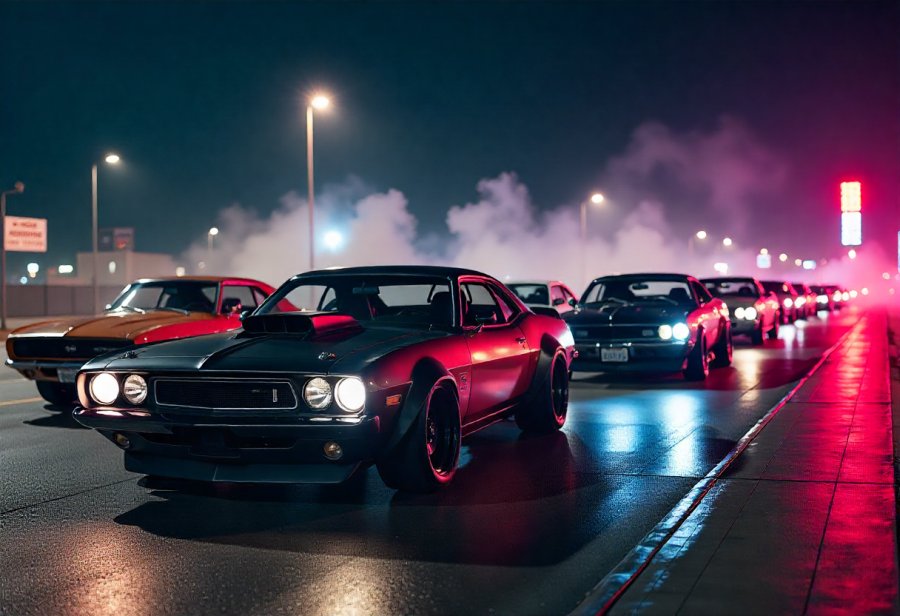
Underground street racing often extends its influence far beyond the thrill of the race itself, shaping lives and communities in unexpected ways. For many participants, the bonds forged through late-night sessions, shared risks, and mutual support become a vital part of their daily existence. These communities serve as a network of trust and mentorship, offering guidance, friendship, and stability amid urban challenges. Whether it’s lending tools, sharing insider tips, or providing emotional comfort, the relationships built here create a sense of belonging that helps members navigate difficult circumstances.
Stories of personal transformation are common within these circles. Some racers have used their skills and community ties to find better job opportunities or start small businesses, channeling their passion into entrepreneurship. Others speak of mentors who helped them steer clear of urban pitfalls, offering advice and support that extended well beyond racing. These relationships often evolve into lifelong friendships, built on shared experiences and mutual growth, providing a foundation of resilience that withstands external pressures.
Despite their rebellious reputation, many underground racing scenes operate with a strong code of safety and discretion. Racers select quiet, less populated spots and avoid racing during busy hours, minimizing risks to themselves and others. Norms like vehicle checks, spotters, and signals help ensure everyone’s safety, while secrecy about locations and details safeguards the scene’s survival. This careful balance of risk and caution allows the community to thrive, even in the face of legal and social challenges.
The scene also acts as a form of social resilience, offering purpose and connection in environments often marked by hardship. When faced with economic struggles or social disconnection, members find strength and stability through their shared experiences. Conflicts are often resolved through dialogue and mutual respect, turning disputes into opportunities for understanding rather than division. This ability to manage disagreements preserves the scene’s cohesion and reinforces the bonds of loyalty that hold it together.
Many individuals have used their racing experience as a stepping stone to better their lives. Skills learned on the streets—mechanical expertise, strategic thinking, and leadership—translate into real-world advantages, opening doors to new career paths and educational opportunities. Success stories of members who have moved beyond the scene highlight the transformative power of these relationships, demonstrating how passion and community support can serve as catalysts for upward mobility.
At its core, underground street racing creates a lasting impact that reaches into everyday life. It offers more than adrenaline; it provides a sense of purpose, belonging, and resilience. The connections formed in the shadows become a source of strength and hope, turning fleeting moments of speed into enduring relationships. These bonds foster a community where loyalty and support are the fuel driving personal growth and collective perseverance, proving that even in secrecy, genuine strength can flourish.